Five starsTrusted by 70,000+ Future Students

Subject guide

X-Ray Technician

You've made an important step in considering a career as an X-ray technician. This dynamic and essential role in the healthcare sector marries patient care with cutting-edge technology. As an X-ray technician, you will have the exciting opportunity to work with diverse patient populations and modern medical gadgets, capturing critical imaging that assists doctors in diagnosing and treating illnesses. Higher education in this field equips you with technical proficiency, proficiency in anatomy, and excellent communication skills, setting you up for a rewarding, life-changing profession.

Find school options
X-Ray Technician study and career guide

X-Ray Technician

You're setting your sights on a rewarding career and your outcome is looking a lot like X-Ray Technician. Backed by the right higher education, you could find yourself operating cutting-edge technology, assisting in crucial diagnostic processes, and working closely with patients, all to have a vital role in patient care. As part of your educational journey, finding a program that meets your needs and aligns with your career aspirations is crucial. As a reliable source for educational information, we're here to empower you with the knowledge to make informed decisions about your future, thereby ensuring you’re on the best path to becoming an X-Ray Technician. Let's explore the fascinating aspects of this career, its significance in the medical field, and the educational path you'll need to follow to get there.

Explore this subject within Nursing & Healthcare.

X-Ray Technician Program goals

Studying a program in X-Ray Technician aims to equip students with the technical skills and knowledge needed to succeed in this crucial healthcare field. It's an investment in your future that not only paves the way for a rewarding career but also allows you to make a significant contribution to patient care. While the curriculum may vary, the primary goals of this program typically revolve around building proficiency in performing diagnostic imaging examinations, understanding radiographic positioning, adhering to radiation safety measures, and developing effective patient communication skills.

  • Develop competence in performing x-ray examinations and interpreting results
  • Understand and apply the principles of radiographic positioning
  • Comprehend and observe radiation safety in handling the equipment and during procedures
  • Establish good patient rapport and demonstrate effective communication skills
  • Prepare for passing the national certification exam and getting state licensure
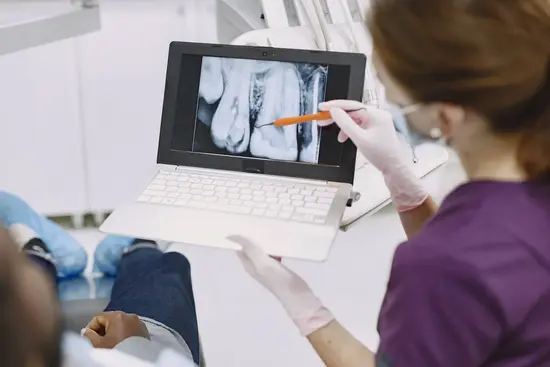
X-Ray Technician Program goals illustration

What are the Student Learning Outcomes

Studying a program in X-Ray Technician will equip you with skills and knowledge in various areas within the radiology field. This comprehensive program is designed for those with a passion for patient care and a keen interest in the technology and science behind diagnostic imaging. Through this program, you are expected to become proficient in performing imaging examinations, maintaining x-ray equipment, analyzing results, and maintaining patient records. Here are the key learning outcomes you can expect:

  • Acquire comprehensive knowledge of the human anatomy, pathology, patient care, and radiology techniques.
  • Develop practical skills in x-ray imaging, including everything from patient positioning to calibration of appliances.
  • Become competent in applying safety and radiation protection measures in clinical settings.
  • Learn to analyze radiographs for image quality and diagnostic efficacy.
  • Gain skills necessary to work as part of a healthcare team, understanding your role in patient diagnosis and treatment plans.
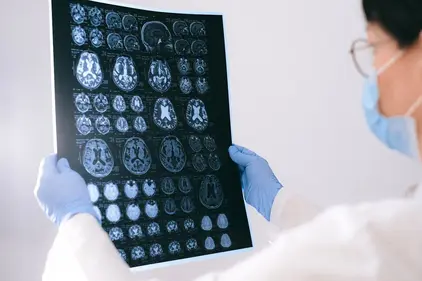
What are the Student Learning Outcomes illustration
Photo by This is Engeneering on Unsplash

What experience do I need to be able to apply for X-Ray Technician

Before you begin a higher education program for an X-Ray Technician, you'll need to have certain prior experience and prerequisites under your belt. This vital preparation serves as the foundation for your understanding and knowledge of the subject matter. With a basic knowledge of biology and chemistry, you'll be better prepared to understand the intricacies of radiography. As some colleges may require you to have a high school diploma or its equivalent, it's important to ensure that your academic groundwork is solid. Prior experience in healthcare, such as volunteering in hospitals, could also be beneficial. Of course, having strong interpersonal skills and a knack for problem-solving will also be a great advantage in this field. Remember that your willpower, determination, and the ability to handle stress efficiently are key assets.

  • High school diploma or equivalent.
  • Basic understanding of biology and chemistry.
  • Prior experience in healthcare (volunteering or work experience).
  • Good interpersonal and communication skills.
  • Problem-solving abilities and capacity to handle stress.
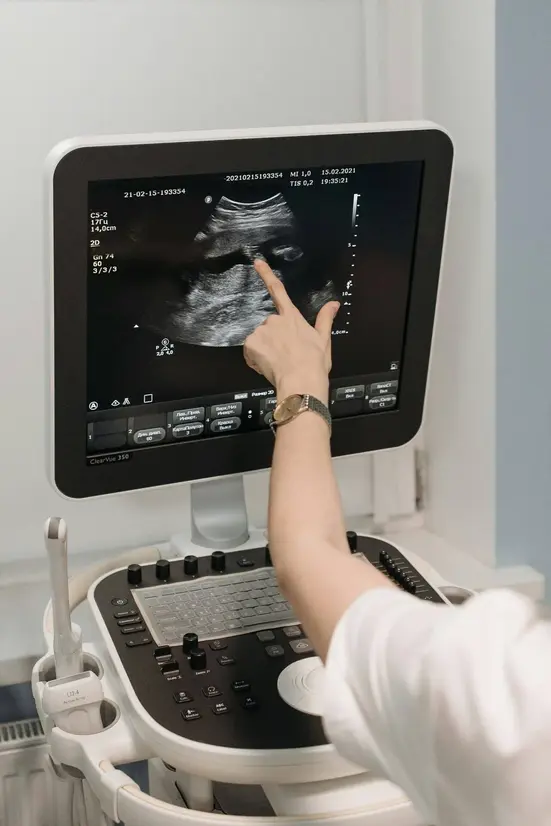
What experience do I need to be able to apply for X-Ray Technician illustration

X-Ray Technician careers

As a postgraduate in the field of X-ray technology, numerous career opportunities beckon you. With this advanced qualification, you not only possess the ability to take and analyze x-rays, but also have a deep understanding of how to use complex imaging technology and interpret the images for the diagnosis and treatment of various medical conditions. This makes you a vital part of any healthcare team. You could find yourself working in hospitals, doctor's offices, diagnostic laboratories, or even exploring research opportunities in different scientific institutions. You can also move on to specialized fields such as computed tomography (CT), magnetic resonance imaging (MRI), mammography, and others.

  • X-Ray Technologist in Hospitals
  • X-Ray Technician in Private Doctor's Offices
  • Diagnostic Medical Sonographer
  • Magnetic Resonance Imaging Technologist
  • Career in Academia or Research
  • Computed Tomography Technologist
  • Specialized X-Ray Tech in Mammography
  • Radiologic Assistant
  • Medical Equipment Technician

You'll be pleased to know that post-graduates in the field of X-ray technology can expect a rewarding earning potential. According to the U.S. Bureau of Labor Statistics, as of May 2024, the median annual wage for radiologic technologists and technicians was $77,660. Choosing to further your education as an X-ray technician not only benefits you in terms of dynamic career options but is economically rewarding as well. As you continue to augment your skills and experience, you may discover even greater financial prospects in this stimulating field.

Source: U.S. Bureau of Labor Statistics

As a postgraduate in the X-ray Technician field, several exciting job opportunities are open to you. You could work as a Radiologic or X-ray Technician, where you'll be responsible for capturing images of a patient's body using X-ray equipment. If you prefer a supervisory role, consider becoming a Radiology Manager, ensuring all imaging processes run smoothly at a healthcare facility. As a Radiation Therapist, you could specialize in using radiation treatments for patients with cancer and other diseases. Alternatively, you might find fulfillment in the position of Diagnostic Radiologist, interpreting radiological examinations and possibly conducting interventional procedures. Your advanced education can offer a path to specialty areas like Mammography or Computed Tomography. Remember, the earning potential varies widely based on the exact role, employer, location, and your level of experience.

Ready to compare X-Ray Technician programs?

Share your study preferences once. We’ll use them to find relevant school options.

Find school options