Five starsTrusted by 70,000+ Future Students

Subject guide

Natural Resources

If you have a passion for the environment and want to play an active role in the sustainable use and protection of our planet's resources, studying Natural Resources in higher education could be a perfect fit for you. This course of study can provide you with a deep understanding of the management and conservation of our natural ecosystems. From forests and water systems to wildlife and mineral resources, you will learn about the array of natural assets that we all rely on. This could be your opportunity to transform your curiosity about the natural world into a meaningful and rewarding career. Let's help you connect with the perfect school that meets your educational needs and aligns with your career aspirations.

Find school options
Natural Resources study and career guide

Natural Resources

You're considering furthering your education in an ever-important field - Natural Resources. In today's world, where sustainability and environmental consciousness are front and center, having a solid understanding of natural resources is crucial. Imagine using your knowledge to make critical decisions on energy use, conservation strategies, and the sustainable management of resources. You could be a part of transformative solutions that will shape our future. A degree in this field will equip you with all the skills necessary to tackle these issues, and it may open up diverse career prospects including conservation scientist, environmental consultant, or forest and park manager. Enriching your education in this field can be a powerful stepping-stone towards achieving your career aspirations whilst contributing to the planet's well-being.

Explore this subject within Science & Engineering.

Natural Resources Program goals

Embarking on a program in Natural Resources signifies a commitment to understanding the intricate connection between people, the planet, and its bounty. This enriching field of study will offer you comprehensive knowledge of how natural resources are obtained, conserved, and used to sustain life and drive economies worldwide. Whether your interest lies in soil conservation, wildlife biology, or environmental policy, this program provides the fundamental knowledge and practical skills needed for a range of career opportunities.

  • Gain an in-depth understanding of various natural resources and their management
  • Develop solutions for complex environmental issues
  • Equip yourself with practical skills to influence policy and practice
  • Deepen your knowledge of sustainability and conservation
  • Prepare yourself for diverse career opportunities in fields related to Natural Resources
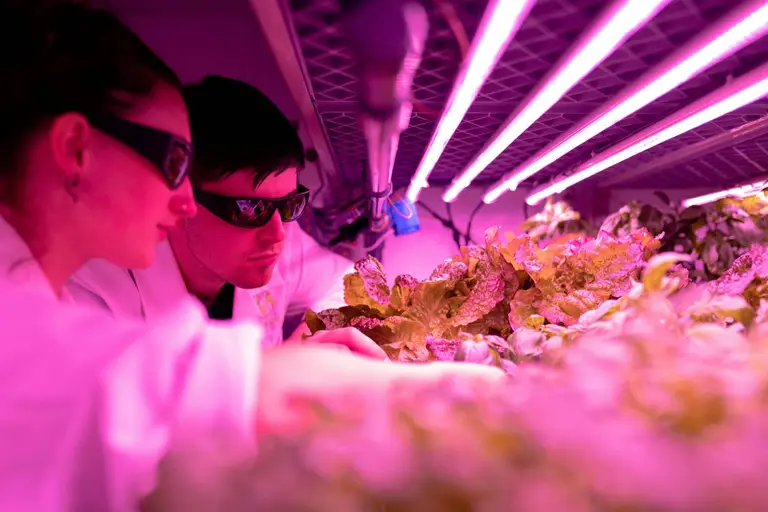
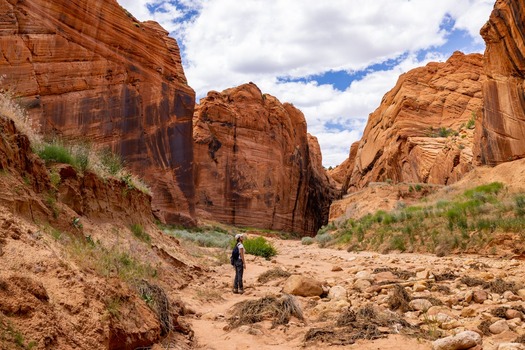
Natural Resources Program goals illustration

What are the Student Learning Outcomes

Choosing to study a program in Natural Resources can provide you with a comprehensive understanding of how natural resources are managed and utilized. With this degree, you can gain a combination of scientific and business knowledge ideal for a career in conservation or renewable resources management. The curriculum typically offers a solid theoretical foundation, hands-on exposure, and a variety of specialty concentrations. As you delve into this field, you can expect the following learning outcomes:

  • An understanding of the principles and practices related to natural resources management.
  • The ability to apply scientific reasoning and analytical skills to solve natural resource problems.
  • Proficiency in the use of technology for data collection, analysis and presentation.
  • Effective communication skills to convey complex environmental messages.
  • An appreciation for ethical, sociocultural, and historical perspectives on natural resources use and protection.
What are the Student Learning Outcomes illustration
Photo by This is Engeneering on Unsplash

What experience do I need to be able to apply for Natural Resources

You're considering a higher education program in Natural Resources? What a stellar decision! This field offers a broad and varied career potential, plus, you'll play a meaningful role in safeguarding the environment. To jumpstart your journey, it's important to have the correct foundational experience. A basic understanding of biology, environmental science, and geography are crucial. Some math and statistical understanding can also be beneficial given the data-driven nature of many roles within this field. It's also advantageous if you have research experience, especially those related to environmental issues. And, if you've volunteered or worked in environments that expose you to natural resource management, that would be an incredible asset.

  • Foundational knowledge in biology, environmental science, and geography
  • Basic understanding of mathematics and statistics
  • Research experience, preferably on environmental issues
  • Work or volunteer experience in natural resource management or related fields

Remember, each educational institution has its own specific criteria, so always ensure you meet the necessary admission requirements for your chosen program. We believe in you and your ability to carve a meaningful path in Natural Resources. Yes, it's challenging, but it's also incredibly rewarding. Good luck!

What experience do I need to be able to apply for Natural Resources illustration

Natural Resources careers

As a postgraduate in Natural Resources, you have a variety of career opportunities that await. Many sectors are in need of highly skilled individuals who understand the delicate balance of our ecosystem. Positions often involve executing conservation efforts, providing consultation for sustainable projects, conducting research, and even crafting educational programming. Even more, the demand for specialists in this area is steadily increasing, which could mean a more secure job market for you. Let's not forget about the personal satisfaction you'll gain from playing such an important role in protecting our planet. This path opens up a world of potential, allowing you to align your passion for nature with a rewarding career.

  • Conservation Scientist
  • Environmental Consultant
  • Natural Resources Manager
  • Research Analyst in Natural Resources
  • Environmental Educator
  • Natural Parks Service Ranger
  • Wildlife Biologist
  • Forestry Manager
  • Natural Resource Policy Analyst
  • Renewable Energy Consultant

According to the U.S. Bureau of Labor Statistics (BLS), the median annual wage for natural sciences managers was $161,180 in May 2024. The median wage is the wage at which half the workers in an occupation earned more than that amount and half earned less. The lowest 10 percent earned less than $77,520, and the highest 10 percent earned more than $239,200.

Source

As a postgraduate in Natural Resources, you can look forward to a wide array of rewarding job opportunities that allow you to leverage your academic expertise while making a positive impact. For instance, you could secure a role as an Environmental Consultant, assisting organizations in achieving their sustainability goals, or as a Natural Resource Manager, ensuring efficient utilization and conservation of natural resources. Many postgraduates in this field also work as Park Services Managers, Wildlife Biologists, or Land Use Planners, roles that call for a deep understanding of the intricacies of natural resources management. Working for governmental bodies, consulting firms, non-profit organizations, and private companies are all possible avenues. The earning potential varies greatly based on the job, location, and your level of experience.

Ready to compare Natural Resources programs?

Share your study preferences once. We’ll use them to find relevant school options.

Find school options