Five starsTrusted by 70,000+ Future Students

Subject guide

Sports Broadcasting

If you're looking to seamlessly merge your passion for sports with a rewarding career, consider diving into the dynamic field of Sports Broadcasting within higher education. This exciting realm provides in-depth knowledge and practical experience, enabling you to deliver compelling sports narratives across various media platforms. The curriculum typically integrates journalistic principles, digital media, and strategic sports communication practices. It's not only about capturing the thrill of the game but also involves understanding the intricate relationship sports shares with society at large. With a degree in this discipline, you could find yourself behind a microphone, in front of a camera, or behind the scenes where the magic happens. Today, dear aspiring sports broadcaster, could be the beginning of your journey to fulfilling your dreams and career aspirations.

Find school options
Sports Broadcasting study and career guide

Sports Broadcasting

Welcome to the fascinating world of sports broadcasting, a dynamic field that blends your passion for sports with your interest in media communication. In seeking higher education within this sphere, you're embarking on a journey to delve deeply into the ways in which sports events are communicated to audiences across varied media platforms, from traditional television and radio to modern avenues like digital platforms and social media. You'll gain a comprehensive understanding of the sports industry from production and reporting perspectives, and learn how to skillfully narrate and analyze sporting events while captivating viewers and listeners.

Explore this subject within Art & Design, Liberal Arts.

Sports Broadcasting Program goals

Embarking on a program in Sports Broadcasting is an exciting journey that connects your passion for sports with a fulfilling career in media. This type of program provides a fantastic opportunity to deepen your understanding of sports, improve your communication skills, and opens the doors to working within the competitive sports media industry. The main goals of studying this program are to equip you with the knowledge and skills required to effectively analyze, interpret, and disseminate information about sports to a variety of audiences. By effectively comprehending and communicating the intricate details of a sports event, you can help foster a deeper understanding and appreciation of the sport among your audience.

  • To gain thorough knowledge of the sports industry across multiple sports.
  • To develop superior communication skills, both orally and in writing.
  • To understand and master the technical aspects of broadcasting and production.
  • To learn the skills needed to effectively interview sports personalities and report on sports events.
  • To develop the ability to critically analyze and interpret sports events and information, and pass this understanding onto viewers and listeners.
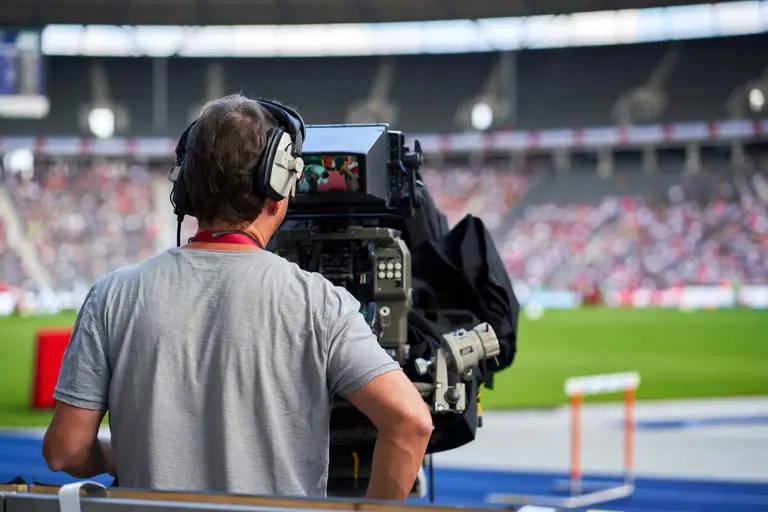
Sports Broadcasting Program goals illustration

What are the Student Learning Outcomes

When you embark on a program in Sports Broadcasting, you're stepping right into a vibrant and exciting field of study. This program is designed to arm you not only with the theoretical knowledge, but also with practical skills which are essential in this industry. It's a dynamic world of live action, unpredictable moments, right-down-to-the-buzzer finishes, and your voice can become a part of this exhilarating world. As a student, you can expect the following learning outcomes:

  • Understanding the landscape of sports media and broadcasting industry.
  • Developing technical skills associated with television, radio, and digital media production.
  • Gaining knowledge of sports media law and ethics.
  • Acquiring the ability to effectively communicate sports news and events.
  • Enhancing presentation and on-camera performance skills.

Captivate audiences, deliver insightful commentary, and bring the world of sports to life with your words. The path to becoming a successful sports broadcaster begins with your decision to pursue this rewarding educational endeavour.

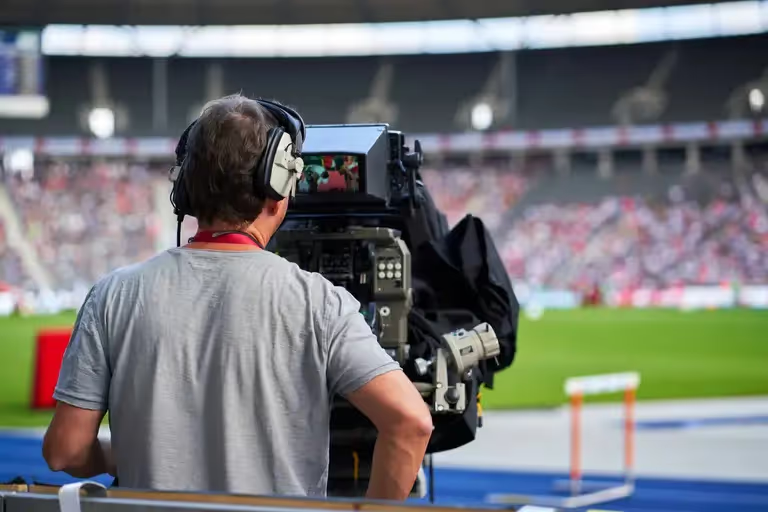
What are the Student Learning Outcomes illustration
Photo by This is Engeneering on Unsplash

What experience do I need to be able to apply for Sports Broadcasting

You might be wondering what kind of experience is needed to start a higher education program in Sports Broadcasting. Preparation can vary based on the specific program and school, but generally, having a fundamental understanding of sports, communication, and media is an excellent start. Prior experience in sports, whether as an athlete or a dedicated fan, can provide a valuable understanding of the nuances and strategies of different games. Demonstrated skills in public speaking, writing, or media production can also be beneficial, as you'll be expected to communicate information clearly and engagingly in a Sports Broadcasting program. Also, any prior classwork or work experience in journalism, media, or broadcasting can give you a leg up. It's always a good idea to reach out to the program you're interested in to see what they specifically recommend or require.

  • Knowledge and understanding of sports
  • Experience in public speaking or communication
  • Media production skills would be advantageous
  • Prior experience or education in journalism, media, or broadcasting
What experience do I need to be able to apply for Sports Broadcasting illustration

Sports Broadcasting careers

After graduating in sports broadcasting, you'll be ideally positioned for a rich variety of careers within the sports, media, and entertainment industries. Whether you're dreaming of delivering live commentary from the sidelines, designing sound effects, analyzing footage, or conducting high-profile interviews, your advanced skills will set you up for success. You may wish to work in television, radio, online media, or emerging technologies, offering diverse and versatile opportunities. Regardless of the path you choose, you're likely to play a crucial role in conveying the thrilling narrative of sports to engaged audiences worldwide.

  • Sports Broadcaster or Commentator
  • Television or Radio Producer
  • Sports Reporter or Journalist
  • Sound or Video Editor
  • Camera Operator
  • Public Relations Specialist for Sports Teams or Athletes

According to the U.S. Bureau of Labor Statistics (BLS), the median annual wage for broadcast, sound, and video technicians was $56,600 in May 2024. The median wage is the wage at which half the workers in an occupation earned more than that amount and half earned less.

https://www.bls.gov/ooh/media-and-communication/broadcast-and-sound-engineering-technicians.htm

As a prospective postgraduate in Sports Broadcasting, you can look forward to exciting career opportunities. These can range from being a radio or television sportscaster, where you would provide play-by-play narratives of sports events, to being a production coordinator, responsible for the overall planning and supervision of a broadcasting production. You could also pursue a career as a sports producer, overseeing the content and direction of a sports show, or as a sports writer, producing material for print or digital publications. Moreover, sports broadcasting offers roles as video editors, cameramen, and production assistants. Earning potential varies widely depending on the position and level of experience. This field requires a thorough understanding of sports, strong communication skills, and the ability to work in fast-paced environments. Remember, as you further your education in sports broadcasting, you're not just pursuing a degree; you're stepping up to meet your career aspirations head-on.

Ready to compare Sports Broadcasting programs?

Share your study preferences once. We’ll use them to find relevant school options.

Find school options