Five starsTrusted by 70,000+ Future Students

Subject guide

Precision Systems Maintenance & Repair

If you're passionate about problem-solving and have an interest in how things work, consider a career in Precision Systems Maintenance & Repair. This field, critical in many industries, includes the fine-tuning and calibration of complex systems, as well as timely and accurate repairs when things go wrong. With a higher education in Precision Systems Maintenance & Repair, not only will you satisfy your curiosity but you will also embark on a rewarding and challenging career path with plenty of opportunities for advancement and specialization. So, embrace this journey toward fostering technical proficiency, honing analytical skills, and developing practically oriented, hands-on experience.

Find school options
Precision Systems Maintenance & Repair study and career guide

Precision Systems Maintenance & Repair

In the realm of higher education, Precision Systems Maintenance & Repair stands as a highly specialized field that marries technical acumen with practical, hands-on skills. If you're intrigued by the idea of diagnosing, troubleshooting, and repairing complex systems, this area of focus may be your gateway to a successful and rewarding career. This dynamic field engages a blend of mechanical engineering, electronics, and information technology, offering a broad landscape for career development. Moreover, as you progressively master the intricate art of maintaining and repairing precision systems, you will become an invaluable asset to a range of industries – from manufacturing to aviation, healthcare, and more. Your educational journey in Precision Systems Maintenance & Repair could, thus, open doors to limitless opportunities in diverse fields, helping you fulfill your career aspirations.

Explore this subject within Trade & Vocational.

Precision Systems Maintenance & Repair Program goals

Studying a program in Precision Systems Maintenance & Repair sets you on a path for a future in a vital field that ensures the functionality and longevity of various machines and equipment used in different industries. As you delve into the intricacies of mechanisms and technology, the course aims not only to equip you with necessary hard skills, but also to develop your problem-solving abilities and attention to detail. These are critical skills to have for anyone aspiring to become a much-needed specialist in maintaining and repairing precision equipment.

  • To develop a robust understanding of how various precision systems operate and how to keep them running efficiently
  • To gain hands-on experience in maintaining and repairing precision systems
  • To enhance problem-solving skills for diagnosing and fixing issues with such systems
  • To foster precise attention to detail which is necessary in evaluating systems' condition and performing repairs
  • To prepare for a rewarding technical career in a variety of industries such as manufacturing, automotive, aerospace, and more
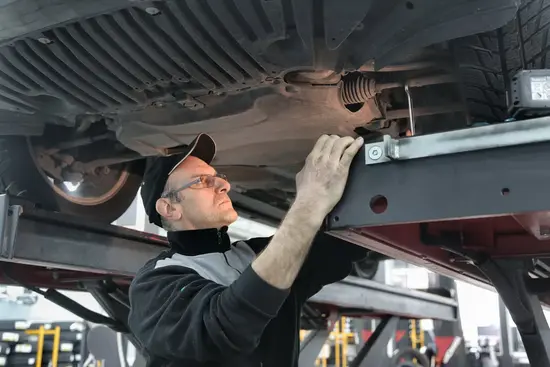
Precision Systems Maintenance & Repair Program goals illustration

What are the Student Learning Outcomes

When you choose to study in the field of Precision Systems Maintenance & Repair, your academic progress is geared towards equipping you with exceptional skills and knowledge relevant for various industrial applications. The program emphasizes theories surrounding precision measurements, mechanical systems maintenance, as well as repair methodologies, and the use of advanced technology in the profession. As a student in this program, you can expect to venture into your career path with enhanced skills which will be indispensable in your line of work.

  • Comprehensive understanding of precision measures and their significance in various industries.
  • Practical skills in maintenance and repair of mechanical systems.
  • Proficiency in using modern technology for precision systems maintenance and repair.
  • In-depth knowledge about developing maintenance strategies and plans.
  • Improved problem-solving skills crucial for identifying and rectifying mechanical system faults.
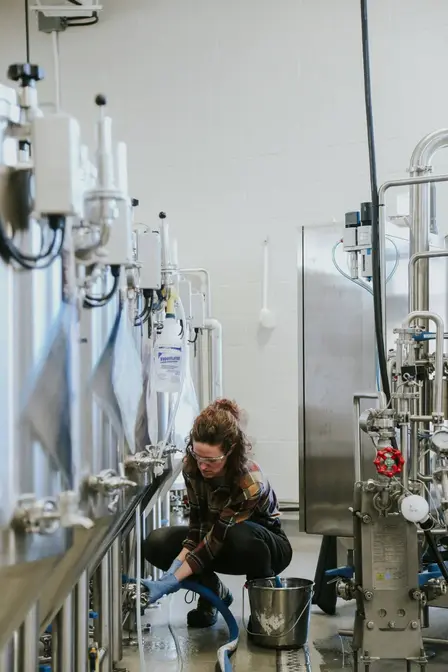
What are the Student Learning Outcomes illustration
Photo by This is Engeneering on Unsplash

What experience do I need to be able to apply for Precision Systems Maintenance & Repair

To pursue a higher educational program in Precision Systems Maintenance & Repair, you'll need an amalgamation of theoretical knowledge and hands-on experience. Your understanding of foundations in physics, electronics, or engineering mechanics can be useful baseline knowledge. Working or interning in areas related to maintenance, repair, or calibration of high precision instruments will provide you with the necessary practical experience. Furthermore, possessing problem-solving skills, attention to detail, and good manual dexterity will enhance your potential in this field.

  • Theoretical knowledge in physics, electronics or engineering mechanics.
  • Prior experience in maintenance, repair or calibration of precision instruments.
  • Proficiency in using tools for precision systems repair.
  • Problem-solving skills and excellent attention to detail.
  • Good hand-eye coordination and manual dexterity.

Remember, pursuing higher education in Precision Systems Maintenance & Repair can open doors to a wide range of industries including aerospace, medical equipment, automotive, and many more. With the right experience and education, you can primarily focus on maintaining, diagnosing, and repairing high-precision systems and become a pivotal component in various dynamic fields.

What experience do I need to be able to apply for Precision Systems Maintenance & Repair illustration

Precision Systems Maintenance & Repair careers

After concluding your post-graduate studies in Precision Systems Maintenance & Repair, a host of career opportunities await you in various industries. The skills you have acquired in maintaining, troubleshooting, and repairing precision machinery and systems make you a valuable asset especially in companies operating in sectors such as manufacturing, aerospace, electronics, and telecommunications. This field boasts a wide range of responsibilities like safeguarding equipment health, ensuring safety regulations are met, coordinating with engineering teams, and generating maintenance reports. Look forward to enriching capital assets, optimizing production efficiency, and fostering a safe working environment as key components of your future role.

  • Precision Systems Maintenance Technician
  • Industrial Machinery Mechanic
  • Maintenance Engineer
  • Precision Instrument and Equipment Repairer
  • Precision Systems Maintenance Supervisor
  • Quality Assurance (QA) Specialist
  • Reliability Engineer
  • Field Service Technician

According to the U.S. Bureau of Labor Statistics (BLS), the median annual wage for industrial machinery mechanics, machinery maintenance workers, and millwrights was $63,510 in May 2024. The median wage is the wage at which half the workers in an occupation earned more than that amount and half earned less.

https://www.bls.gov/ooh/installation-maintenance-and-repair/industrial-machinery-mechanics-and-maintenance-workers-and-millwrights.htm

If you are a postgraduate in Precision Systems Maintenance & Repair, you have a vast array of job opportunities waiting for you. You could work as a Maintenance Technician, servicing a range of equipment and ensuring optimal operation. Or, you could become a Field Service Engineer, traveling to various sites to mend and maintain precision systems. For those who are more inclined toward leadership roles, becoming a Maintenance Supervisor or Team Leader is also a possibility. You may also consider specialist roles such as a Calibration Technician, who ensures the accuracy and proper functioning of precision systems. Remember, your earning potential in each role varies depending on several factors including, but not limited to, the industry, geographical location, years of experience, and level of responsibility. These jobs not only allow you to use your technical skills but also offer the chance to make a significant impact in various industries that rely on precision systems.

Ready to compare Precision Systems Maintenance & Repair programs?

Share your study preferences once. We’ll use them to find relevant school options.

Find school options