Five starsTrusted by 70,000+ Future Students

Subject guide

EMS & Paramedic

If you're drawn to life-saving roles and fast-paced work environments, consider advancing your career with an education in EMS & Paramedic studies. In the realm of higher education, these programs offer invaluable hands-on training and theoretical knowledge to prepare you for intense yet rewarding situations on the front lines of emergency medical care. As you aspire to be part of this noble calling, we're here to guide and support you in finding the right school that fits your educational and career goals. Remember, the journey to becoming a proficient health care professional starts with the right education.

Find school options
EMS & Paramedic study and career guide

EMS & Paramedic

If you're drawn to the thrill of life-saving work, and are ready to take on the challenge of balancing critical thinking skills with caring, direct patient care, a higher education in Emergency Medical Services (EMS) and Paramedic Science might be the perfect fit for you. This crucial field of study prepares students like you for a rewarding career path, where every day provides the opportunity to make a real difference in people's lives. It is a rigorous program that combines academic knowledge and practical skills training, including hands-on experience in emergency care. By committing to this path, you will gain the competencies needed to respond effectively to emergencies and handle the pressure of critical situations, while simultaneously offering compassionate care to those in need. So embark on this empowering journey of higher learning, and let us guide you in matching with schools that cater to your educational needs and career aspirations.

Explore this subject within Nursing & Healthcare.

EMS & Paramedic Program goals

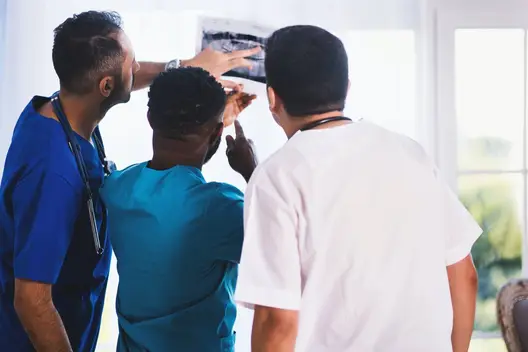
If you're considering studying a program in Emergency Medical Services (EMS) & Paramedic, it's crucial to understand the goals behind this exciting and rewarding field. This program serves as a gateway to a career that's all about saving lives, improving community health, and providing urgent medical care. In addition to technical skills and knowledge, you'll develop invaluable traits such as quick decision-making, calmness under pressure, and empathy for patients. Here's a quick look at the main objectives you should strive to achieve.

  • To acquire the practical skills, theoretical knowledge, and problem-solving abilities needed to deliver exceptional pre-hospital emergency medical care.
  • To understand and apply the ethical principles of EMS.
  • To develop the ability to make fast, informed decisions in high-stress situations.
  • To establish a foundation for lifelong learning and professional growth in the field of EMS.
  • To cultivate a deep sense of empathy and understanding for the diverse patients you will serve.
EMS & Paramedic Program goals illustration

What are the Student Learning Outcomes

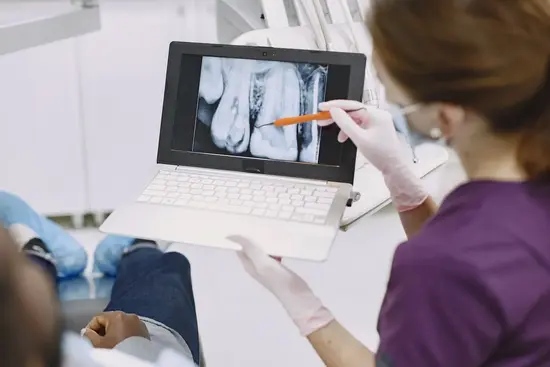
If you choose to enroll in an EMS & Paramedic program, you are setting yourself on a journey to gain invaluable life-saving skills. This comprehensive program is designed to provide you with the knowledge and abilities necessary for pre-hospital emergency care. You'll develop critical thinking, problem-solving, and decision-making skills to effectively serve in emergencies. You'll also learn to utilize medical technology, assess patient conditions to perform appropriate interventions, and provide patient care during transport. Additionally, you will gain proficiency in advanced clinical procedures and sophisticated prehospital diagnostic and treatment modalities.

  • Gain competency in advanced life-saving techniques and interventions.
  • Show enhancement in your critical thinking and decision-making skills.
  • Have a comprehensive understanding of EMS system structures and operations.
  • Be prepared to serve effectively within a team in emergency medical situations.
  • Understand the ethical and legal considerations of the paramedic profession.
What are the Student Learning Outcomes illustration
Photo by This is Engeneering on Unsplash

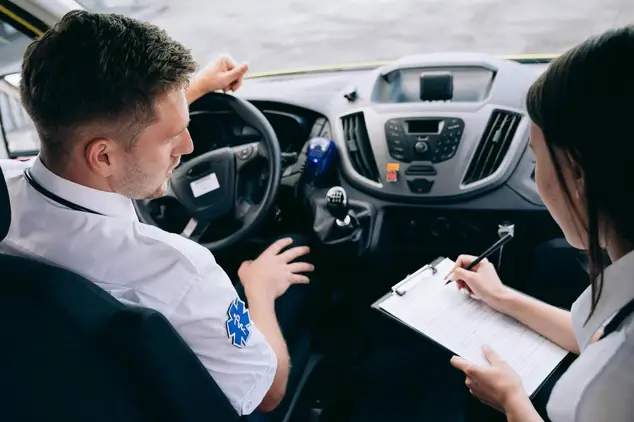
What experience do I need to be able to apply for EMS & Paramedic

If you're interested in starting a higher education program in EMS & Paramedic, certain experience and prerequisites are required. Some of these prerequisites are grounded in medical and technical knowledge, while others are centered on direct, hands-on experience. You need a solid background in specific areas to meet the demands of this challenging and rewarding field. This background often includes certification as an Emergency Medical Technician (EMT), experience in emergency medical situations, and in-depth understanding of key medical concepts.

  • Possessing certification as an Emergency Medical Technician (EMT).
  • Having field experience in emergency medicine through internships, work experiences, or volunteering.
  • Strong comprehension of medical terminology, anatomy and physiology, and pathophysiology.
  • In-depth understanding of patient assessment, trauma situations, and medical emergencies.
  • Experience with public safety protocols and communication systems.
  • Ability to manage high-stress situations and make life-saving decisions quickly.

Furthering your education in EMS & Paramedic is a big step, and having the right foundation of experience and knowledge can make the path smoother and more rewarding. Moreover, your commitment to this profession might save someone's life one day and make a significant impact on your community.

What experience do I need to be able to apply for EMS & Paramedic illustration

EMS & Paramedic careers

As a post graduate in Emergency Medical Services (EMS) & Paramedic, you will be equipped with the professional skills to handle urgent and emergency situations. Your specialized education will open doors to various career opportunities where you can utilize your skills. These careers not only offer considerable scope for learning and an opportunity to make a real difference in people's lives, but also provide job stability, as there is always a need in society for skilled EMS professionals.

  • Paramedic: This role often involves being the first medical personnel at an emergency situation, providing immediate treatment to critically ill or injured patients.
  • Emergency Medical Technician (EMT): EMTs provide basic medical care and transportation for critically ill or injured patients in emergency settings.
  • Flight Paramedic: These professionals provide medical support during patient transportation on aircrafts, typically for critical cases requiring specialized high-level care.
  • Firefighter Paramedic: This role includes fighting fires and providing advanced life-support medical procedures in emergency situations.
  • EMS Educator: Sharing your knowledge and experience as an instructor for future EMS professionals can be a rewarding career path.
  • Critical Care Paramedic: This career path involves providing advanced medical and trauma care in pre-hospital critical care settings.
  • Emergency Room (ER) Technician: ER technicians assist medical professionals in hospital emergency rooms, aiding in the care of injured and critically ill patients.

According to the U.S. Bureau of Labor Statistics (BLS), the median annual wage for emergency medical technicians was $41,340 in May 2024.

Source

Once you've achieved your post-graduate degree in Emergency Medical Services (EMS) and Paramedic studies, you'll find a variety of career opportunities awaiting for you. You could continue working as a paramedic, providing life-saving care in emergency situations, but with your advanced degree, you can also take on more managerial roles within emergency medical services. Roles such as Supervisors or Directors of EMS departments are often filled by those with higher-level education. You might also find opportunities in related fields such as public safety administration, health services management, and emergency preparedness coordination. Keep in mind that the earning potential varies widely within the industry and depends on numerous factors such as your exact role, geographical location, and level of experience.

Ready to compare EMS & Paramedic programs?

Share your study preferences once. We’ll use them to find relevant school options.

Find school options