Five starsTrusted by 70,000+ Future Students

Subject guide

Dentistry & Oral Sciences

As you consider your future in higher education, think about the intriguing world of Dentistry and Oral Sciences. This field offers a myriad of opportunities for you to make a significant impact in healthcare and patients' lives. The ground-breaking academic programs prepare students for exciting careers in oral health and research, bridging the gap between science, health, and community wellbeing. Let's guide you on this educational journey, helping to match your aspirations and career goals with top-notch educational institutions. Your success starts here, with an unwavering commitment to nurture your potential and to inspire you every step of the way.

Find school options
Dentistry & Oral Sciences study and career guide

Dentistry & Oral Sciences

As you consider advancing your education journey and etching a path toward a flourishing career, Dentistry and Oral Sciences prove to be dynamic and rewarding fields. Encompassing a broad spectrum of studies, from oral pathology and periodontology to restorative dentistry and orthodontics, these disciplines offer a diverse array of opportunities for intellectual growth and professional development. With our trusted and accurate resources, you can match your aspirations and learning needs to renowned institutions that offer comprehensive and robust courses in these specialties. So, whether you envision yourself restoring beautiful smiles in a dental practice or contributing to groundbreaking research in oral diseases, embarking on a journey in Dentistry and Oral Sciences can help you make a significant impact on individual lives and society as a whole.

Explore this subject within Nursing & Healthcare.

Dentistry & Oral Sciences Program goals

Deciding to pursue a program in Dentistry and Oral Sciences is not just about learning to fill cavities and make smiles brighter. It's about the commitment to lifelong learning, the drive to better the quality of lives by promoting oral health, and the fulfilling journey towards becoming an integral part of the healthcare system. Whether you aspire to be a general dentist serving your community or aim to specialize in a particular area, here are a few key goals to expect in your academic journey:

  • Acquiring practical skills and knowledge to diagnose, treat, and prevent oral health issues.
  • Developing a profound understanding of oral health's role in comprehensive healthcare.
  • Building professional communication, critical thinking, and ethical decision-making skills for patient-centric dental care.
  • Preparing for successful state licensure and potential specialization.
  • Embracing a culture of continual research and advancement in dental technology and practices.
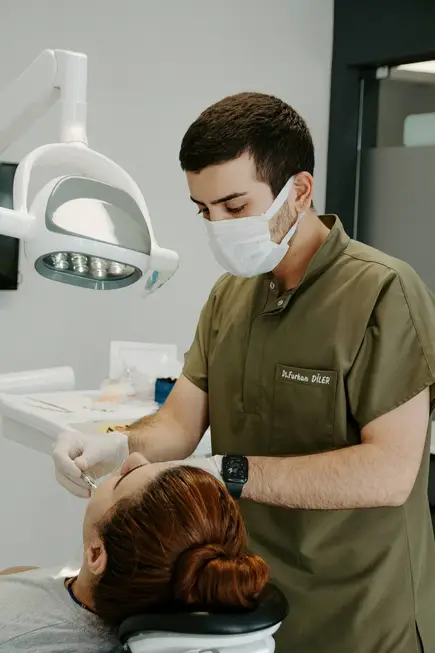
Dentistry & Oral Sciences Program goals illustration

What are the Student Learning Outcomes

When you choose to study a program in Dentistry & Oral Sciences, you're taking a step towards a rewarding career in healthcare. You'll focus on not just the theory, but also the practical skills needed to diagnose, prevent, and treat oral afflictions and maladies. Graduates of this program typically have a solid understanding of dental and oral health, are competent in using modern dental technologies, and possess the ability to provide the highest standard of oral care to their patients. Let's take a quick peek into some specific learning outcomes you can expect from this program.

  • Acquisition and application of knowledge in oral and dental health.
  • Competency in clinical procedures and operating advanced dental technology.
  • Understanding the ethical and legal responsibilities in dentistry.
  • Ability to effectively communicate with patients and provide patient-centered care.
  • Capability to manage a dental practice, including business aspects and personnel management.
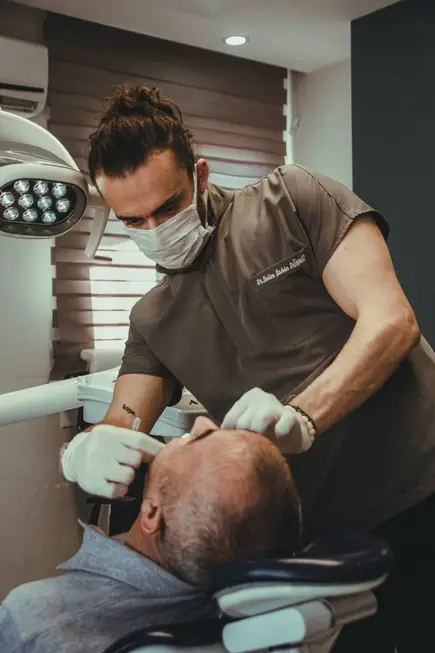
What are the Student Learning Outcomes illustration
Photo by This is Engeneering on Unsplash

What experience do I need to be able to apply for Dentistry & Oral Sciences

To begin a higher education program in Dentistry & Oral Sciences, it's important to have a solid foundation in biology, chemistry, and mathematics. These subjects form the core basis for understanding the detailed anatomical and physiological processes that are critical to dental practice. Additionally, having hands-on experience in a clinical setting—such as volunteering or shadowing professionals in a dental office—will provide a practical context to the theoretical knowledge and can strengthen your application. Encouragingly, universities often value experiences that demonstrate manual dexterity, like sculpture or sewing, as these skills are essential in many procedures carried out by dental professionals. Lastly, strong communication and interpersonal skills are vital as dentists frequently interact with patients and other healthcare providers.

  • Strong foundation in biology, chemistry, and mathematics.
  • Hands-on experience in a clinical setting, such as volunteering or shadowing professionals in a dental office.
  • Skills that demonstrate manual dexterity, preferably related to detail-oriented crafts or arts.
  • Excellent communication and interpersonal skills for interaction with patients and other healthcare providers.
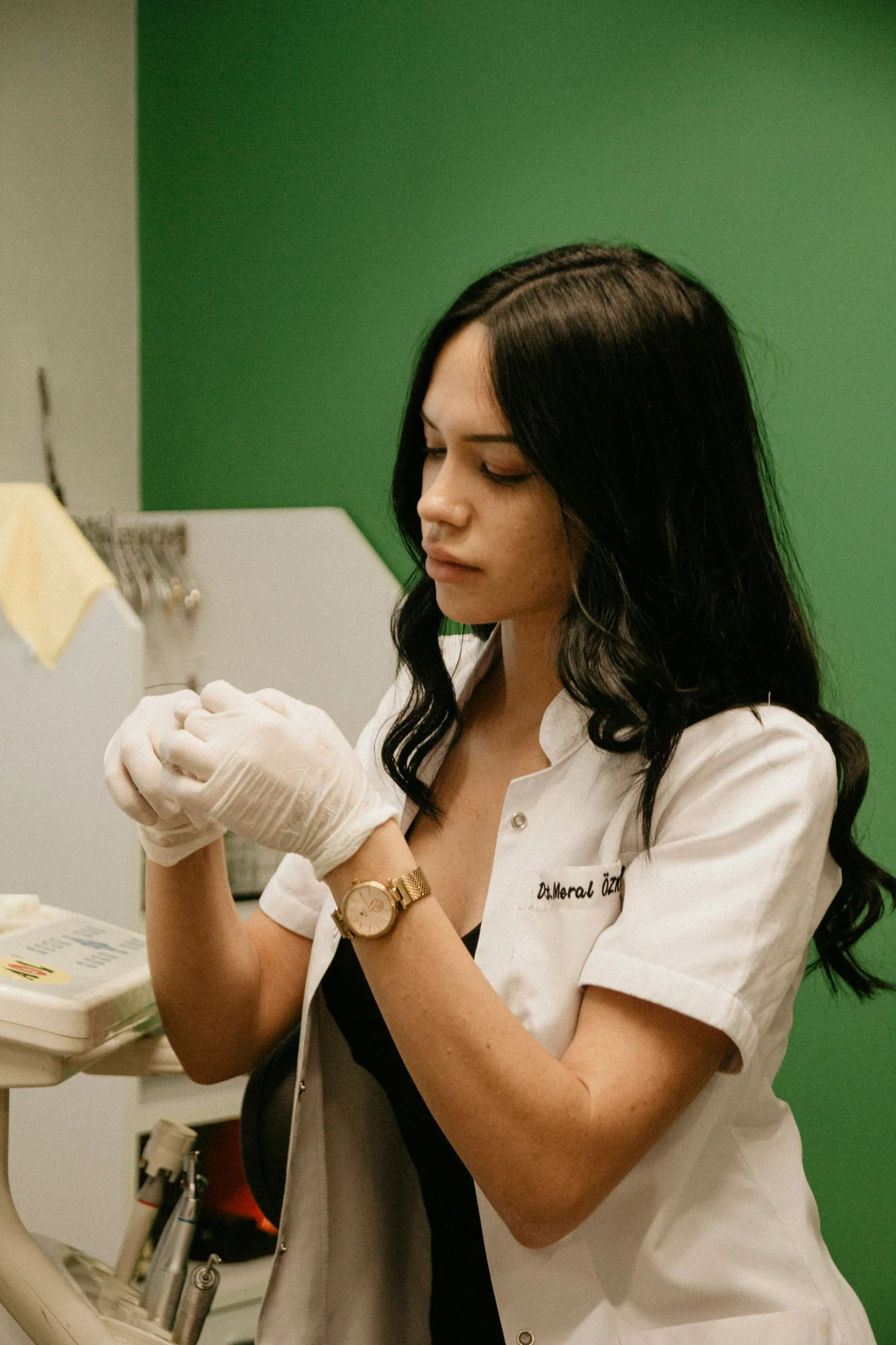
What experience do I need to be able to apply for Dentistry & Oral Sciences illustration

Dentistry & Oral Sciences careers

If you pursue a postgraduate degree in Dentistry & Oral Sciences, a wide range of rewarding and lucrative career options can open up to you. This field does not limit you to just being a general dentist; you can also specialize in various areas of oral health care. The knowledge and skills you gain can lead to roles such as dental surgeon, orthodontist, or a periodontist, who focuses on gum diseases. You can also consider a career as an oral pathologist, diagnosing oral diseases through laboratory tests, or as a pediatric dentist, providing dental care to children and adolescents. Furthermore, with a postgraduate degree, you can work as an academician or researcher in universities, contribute to public health initiatives, or perhaps work for companies that develop dental products or technologies.

  • General Dentist.
  • Dental Surgeon.
  • Orthodontist - specialist in straightening teeth.
  • Periodontist - specialist in gum diseases and implants.
  • Oral and Maxillofacial Surgeon - specialists in face, mouth and jaw surgeries.
  • Oral Pathologist - specialist in diagnosing oral diseases.
  • Pediatric Dentist - specialist in dentistry for children and adolescents.
  • Academician/Researcher in universities.
  • Public Health Dentist.
  • Corporate Jobs in Dental Product Companies.

According to the U.S. Bureau of Labor Statistics (BLS), the median annual wage for dentists was $179,210 in May 2024. The median wage is the wage at which half the workers in an occupation earned more than that amount and half earned less.

Source

If you're pursuing postgraduate studies in Dentistry & Oral Sciences, you're likely to have a wide range of career opportunities. Most notably, many graduates become dentists, providing preventative and corrective dental care for patients of all ages. You could also become an oral surgeon, a specialist who performs surgeries related to the mouth and jaw. Roles in orthodontics, where you help patients with braces or other treatments for tooth alignment, are another viable path. In academia, your expertise could be put to use teaching the next generation of dental professionals or undertaking valuable research. Similarly, governmental and non-profit health organisations often employ dental postgraduates to help shape public health policy. Rest assured, the skills and knowledge you gain in your postgraduate studies in dentistry and oral sciences are valuable and in high demand, leading to a rewarding career in numerous settings.

Ready to compare Dentistry & Oral Sciences programs?

Share your study preferences once. We’ll use them to find relevant school options.

Find school options