Five starsTrusted by 70,000+ Future Students

Subject guide

Agriculture

If you're considering pursuing a higher education path in agriculture, you're poised to join an ever-evolving field with deep roots and boundless opportunities. Agriculture is much more than farming; it's about understanding the complexity of modern food production systems, making sustainable use of resources, and addressing critical issues like climate change and food security. With degrees ranging from environmental science to animal nutrition, agribusiness, and much more, the scope of your career in this resilient industry is as broad as it is vital. We're here to provide trustworthy, reliable information to help you find the right educational pathway to achieve your aims in agriculture.

Find school options
Agriculture study and career guide

Agriculture

As you explore the vast, diverse, and complex field of Agriculture within the realm of higher education, understanding the depth and range of its many facets becomes instrumental to your learning journey. Whether you’re enticed by its ties to environmental sustainability, drawn to the scientific complexity of crop genetics, or intrigued by the business aspects of food production and distribution, there’s no denying the broad and rewarding prospects this discipline offers. Agriculture combines science, technology, and nature in a unique blend, making it an area of study not confined by typical academic boundaries, and as such, it requires an authentic passion and a willingness to adapt and learn. As you navigate your educational options, remember to seek out a school that aligns with your interests, fuels your curiosity, and paves the way for your career aspirations in this diverse field.

Explore this subject within Science & Engineering.

Agriculture Program goals

As you embark on your journey to study a program in Agriculture, it is essential to understand the overarching goals that will guide and shape your educational experience. Studying agriculture isn't merely about learning how to plant crops or raise livestock; it's a multidimensional discipline that spans botany, biology, technology, and environmental conservation. As a student in Agriculture, you are equipping yourself with the knowledge and skills necessary to face the world's pressing food production and sustainability challenges.

  • To develop a robust and broad understanding of agricultural principles and practices.
  • To learn about the latest scientific advances in crop production and farming technologies.
  • To gain practical experience in sustainable farming and food production methods.
  • To foster critical thinking skills that enable pragmatic resolutions to agricultural issues and challenges.
  • To understand the establishment and management of successful agribusiness ventures.
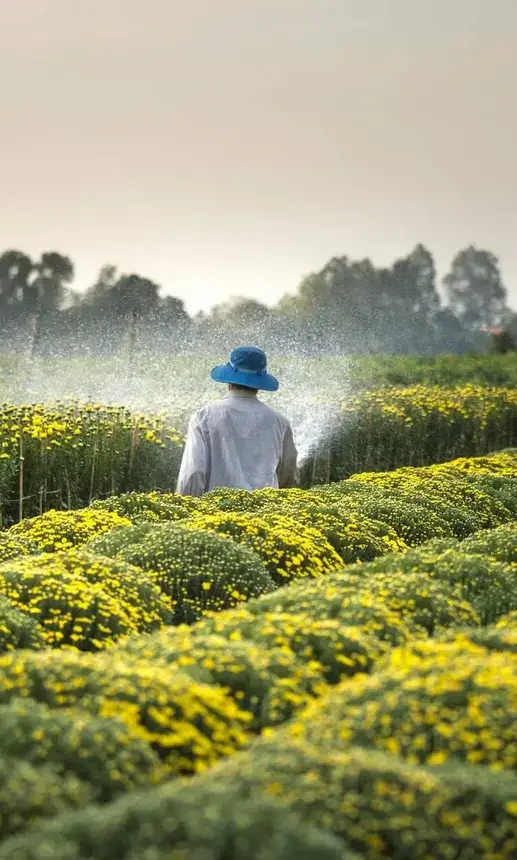
Agriculture Program goals illustration

What are the Student Learning Outcomes

As you embark on your journey through an Agriculture program, you can expect a rich and rewarding learning experience designed to equip you with a comprehensive understanding of the sector's dynamic demands. This program is aimed at developing the insight, expertise, and practical capabilities essential to thrive in the multifaceted field of Agriculture. By the end of your studies, you should have a firm grasp of the agricultural sciences, best practices in management, and the broader environmental and economic contexts the industry operates within.

  • Gain an in-depth knowledge of agricultural principles and practices.
  • Develop problem-solving skills to address agricultural challenges.
  • Understand and apply modern techniques in agricultural management.
  • Recognize global and local trends affecting agricultural markets.
  • Appreciate the environmental impacts and responsibilities of the agriculture industry.
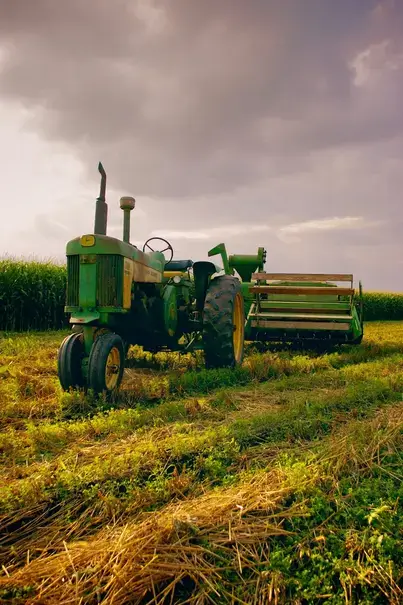
What are the Student Learning Outcomes illustration
Photo by This is Engeneering on Unsplash

What experience do I need to be able to apply for Agriculture

Starting a higher education program in Agriculture requires a strong foundational understanding of the subject enhanced by real-world experience. Agriculture is a wide field with several facets and requires knowledge in biology, chemistry, and earth sciences. It also demands practical skills acquired by working on a farm or in a gardening setting. You should be comfortable using farming tools and machinery, and have some understanding of seasonal planting, harvesting techniques, and pest control. Additionally, knowledge of the economic and business aspects of agriculture can also prove invaluable.

  • Foundational understanding of biological, chemical, and earth sciences related to agriculture
  • Hands-on experience working in a farming or gardening setting
  • Proficiency in the use of farming tools and machinery
  • Understanding of seasonal planting, harvesting, and pest control techniques
  • Familiarity with the economic and business aspects of agriculture
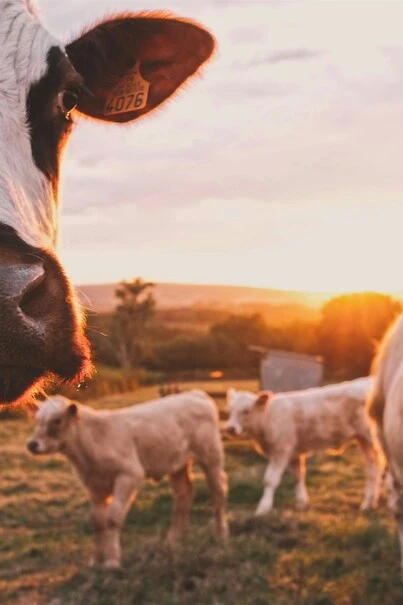
What experience do I need to be able to apply for Agriculture illustration

Agriculture careers

As a postgraduate in Agriculture, you've unlocked a world full of exciting, dynamic, and rewarding career paths. Agriculture is far than just farming - it's a vast and diverse field that encompasses food production, natural resources management, technology advancement, and environmental protection. Whether you're passionate about driving agricultural innovation, contributing to sustainable food systems, or advocating for farmers and rural communities, there's a career path in agriculture that aligns with your interests and goals. You'll find that your expertise in agriculture will open doors in numerous sectors including the public sector, private corporations, non-profit organizations, and academia.

  • Agricultural Economist: Leverage your understanding of agriculture and economics to analyze and predict trends in the agricultural market. This role is crucial for planning and policy-making in agricultural sectors.
  • Agronomy Sales Manager: Put your knowledge to use by advising farmers on agricultural products and technology, and develop strategies to increase sales in agronomy organizations.
  • Environmental Consultant: Advise organizations on maintaining environmental regulations and promoting sustainable practices in agriculture. This can involve managing waste, conserving water, reclaiming lands, and more.
  • Soil Scientist: Study soil and its components. Your findings can lead to improvements in crop growth and contribute to environmental conservation efforts.
  • Research Scientist: Conduct research in various areas such as crop and food science, animal health, nutrition, and more. Your findings can help drive the future of sustainable agriculture.
  • Food Safety Analyst: Essential in ensuring the quality and safety of food products, from farm to table. This role requires a solid understanding of food processing and regulation.
  • Agriculture Communications Coordinator: Liaise between the public, media, and agricultural organizations or departments. Use your skills to advocate and educate others about agricultural issues and practices.
  • Professor of Agriculture: Take your passion for agriculture into the classroom. As a professor, you can help educate and inspire the next generation of agricultural professionals.

According to the U.S. Bureau of Labor Statistics (BLS), the median annual wage for agricultural and food scientists was $78,770 in May 2024. Specific salary data for postgraduates is not detailed, but wages can vary based on factors such as education, experience, and location.

Source

As a postgraduate in Agriculture, there is a wide range of job opportunities you could explore. You might find yourself working in areas like farm management, where you would be responsible for the daily tasks and decision-making on a farming operation. Or, you could work in agriculture finance, offering consulting and financial services to farmers and agricultural businesses. You might also consider jobs in agricultural engineering, working with machinery and equipment to improve farming operations. These are just a few examples; the field of agriculture is broad, providing many avenues for you to pursue depending on your personal interests and skills. No matter what path you choose, each role plays an essential part in contributing to the world's food supply and resource management.

Ready to compare Agriculture programs?

Share your study preferences once. We’ll use them to find relevant school options.

Find school options