Five starsTrusted by 70,000+ Future Students

Subject guide

Phlebotomy

You're eager to take your education to the next level and considering Phlebotomy as your potential field of study. This crucial medical discipline, often integral to the efficient functioning of healthcare establishments, focuses on the drawing of blood for tests, transfusions, research, or blood donations. By pursuing education in Phlebotomy, you not only acquire a specialized skill but also open doors to rewarding healthcare professions. Remember, your dedication and determination play a significant role in turning these opportunities into meaningful career pathways. You seek knowledge, and we’re here to guide you towards the right educational choices.

Find school options
Phlebotomy study and career guide

Phlebotomy

If you've ever dreamt of pursuing a career in the medical field, have an interest in helping others, and possess a detail-oriented mindset, Phlebotomy might be the perfect avenue for you. In higher education, studying Phlebotomy equips students with the precise skills required to draw blood for medical testing, donations, or in some cases even research. As a phlebotomist, you will play a crucial role in the healthcare industry, interacting directly with patients and making an impact on their health and well-being. Pursuing a formal education in this specialized field serves as a stepping stone towards a rewarding and promising career, providing you with comprehensive knowledge, technical proficiency, and the confidence to excel in your role as a healthcare professional. Study in this field can open up a plethora of opportunities in hospitals, labs, clinics and more.

Explore this subject within Nursing & Healthcare.

Phlebotomy Program goals

If you're looking to boost your career in the healthcare sector, studying a program in phlebotomy could be the right move. Engaging in phlebotomy studies is not just about learning to draw blood safely and efficiently; it extends to understanding patient care, managing patient anxiety, and adhering to strict medical protocols. Moreover, this field offers an opportunity to contribute actively to patient diagnosis and treatment, making phlebotomy an essential element in modern healthcare.

  • Develop hands-on skills in blood collection methods including venipuncture, capillary puncture, and special collection procedures
  • Learn effective patient interaction techniques, focusing on patient comfort and minimization of patient anxiety
  • Understand laboratory best practices, including handling and disposal of biohazardous materials
  • Gain a strong knowledge base concerning human anatomy, especially circulatory system
  • Achieve a thorough comprehension of safety measures, legal issues, and professional ethics in phlebotomy
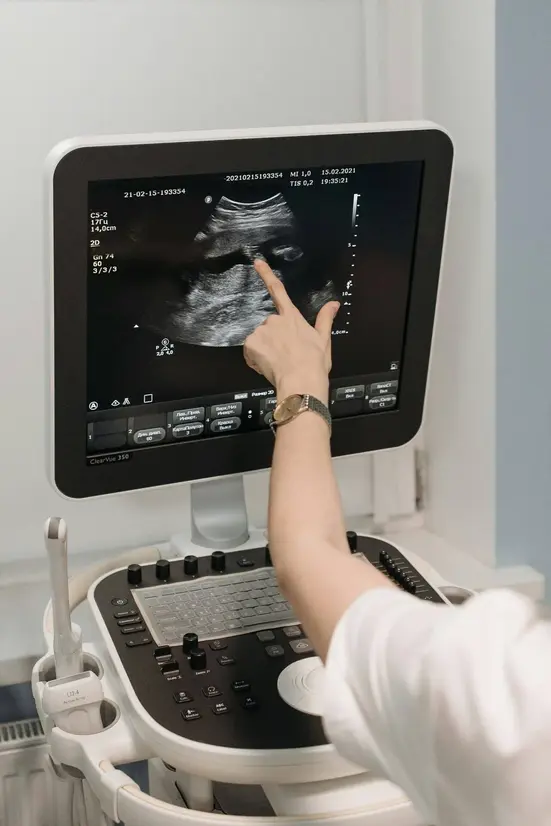
Phlebotomy Program goals illustration

What are the Student Learning Outcomes

Engaging in a program of study in Phlebotomy promises to equip you with critical skills that will set you on the path to a fulfilling career in healthcare. This specialized discipline deals with the drawing and handling of blood from patients, a vital function in diagnosis, treatment planning, monitoring illness progression, and research. By undertaking this course, you will not only gain valuable theoretical knowledge but also practical expertise through hands-on experiences. Here’s what you can expect upon completion of your Phlebotomy program:

  • A comprehensive understanding of blood collection techniques and the ethics associated with them.
  • An ability to employ infection control measures, ensuring safety for both the patient and yourself.
  • Skills in patient identification, labeling, and record-keeping for efficient tracking of specimens.
  • Expertise in managing patient reactions and providing exceptional patient care during blood draws.
  • Aptitude for operating, maintaining, and troubleshooting lab equipment.

These outcomes not only provide you with the technical skills needed as a phlebotomist, but they also enhance your soft skills, which play a significant role in shaping your patient interactions and overall healthcare delivery.

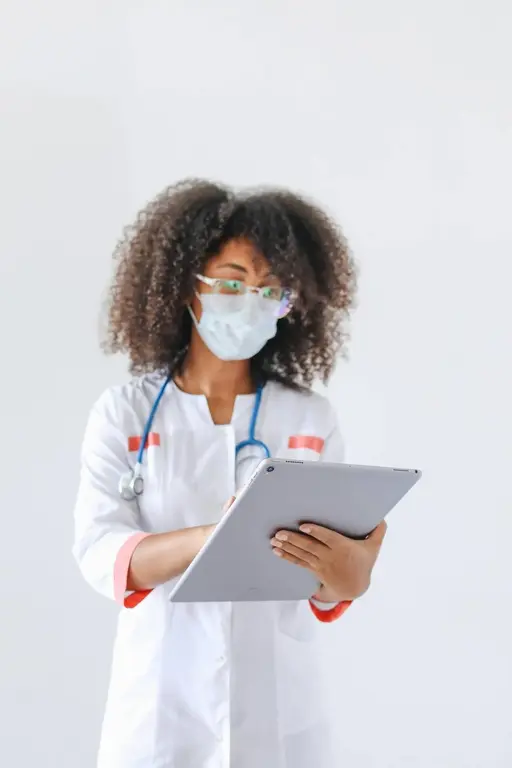
What are the Student Learning Outcomes illustration
Photo by This is Engeneering on Unsplash

What experience do I need to be able to apply for Phlebotomy

Beginning a higher education program in phlebotomy doesn't necessarily require prior experience, but a background in healthcare could be beneficial. The essence of phlebotomy lies in the drawing of blood for tests, transfusions, research, or blood donations, hence skills in biology, chemistry, or patient care can give you an edge. It's a procedure that requires precision, a calm demeanor, and communication skills, thus consider brushing up on these areas beforehand. Given that you may work closely with patients, being comfortable in a healthcare environment is paramount. Most importantly, an enthusiasm to learn is a must as most of the requisite skills and knowledge will be gained throughout the course of the program.

  • Basic knowledge in sciences especially biology and chemistry.
  • Experience in a healthcare setting or patient care.
  • Dexterity and precision skills.
  • Strong communication and interpersonal skills.
  • Ability to work under pressure and remain calm.
  • A solid commitment to learning and training.
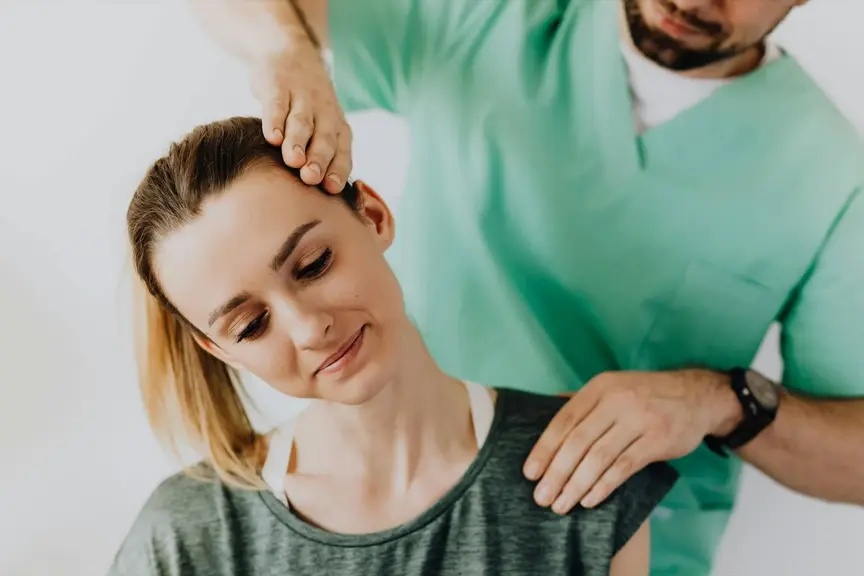
What experience do I need to be able to apply for Phlebotomy illustration

Phlebotomy careers

Continuing your education in the field of Phlebotomy can open numerous career opportunities for you. After you become a certified phlebotomist, the next step can be specializing in a certain area or continuing to climb the healthcare ladder. There are a variety of settings where phlebotomists can work including hospitals, clinics, private practices, public health organizations and laboratories. In addition to drawing blood, you could potentially specialize in lab procedures, patient care, or administrative functions. You might also consider teaching phlebotomy to others. Lastly, you could potentially take your skills into a sales or marketing role for medical equipment companies.

  • Specialist in a phlebotomy clinic or hospital laboratory
  • Phlebotomy Supervisor overseeing and managing other phlebotomists
  • Clinical Liaison for phlebotomy and laboratory services
  • Medical Assistant with phlebotomy skills
  • Phlebotomy Instructor teaching others this vital healthcare role.
  • Medical equipment salesperson, utilizing your phlebotomy knowledge to assist with sales

According to the U.S. Bureau of Labor Statistics (BLS), the median annual wage for phlebotomists was $43,660 in May 2024. The median wage is the wage at which half the workers in an occupation earned more than that amount and half earned less. The lowest 10 percent earned less than $33,310, and specific data for postgraduates is not available.

Source

As a post-graduate in Phlebotomy, you'll be opening doors to an exciting variety of jobs in the healthcare field. This specialized training can lead to roles such as a Phlebotomy Technician, where you'll be responsible for drawing blood samples from patients in a safe and sanitary manner for testing, transfusions, research, or donations. You might also explore roles in hospitals, clinics, diagnostic laboratories, and blood donor centers. Even jobs within insurance companies or pharmaceutical firms are possible, where Phlebotomists often play key roles in wellness screening or clinical trials. What's even more exciting, is that these roles often come with opportunities for advancement and skill development, paving the way to further career growth in healthcare. Embrace your aspiration, knowing that the possibilities are broad. Your path in Phlebotomy can truly lead to making a meaningful difference for patients and supporting the health of your community every day.

Ready to compare Phlebotomy programs?

Share your study preferences once. We’ll use them to find relevant school options.

Find school options