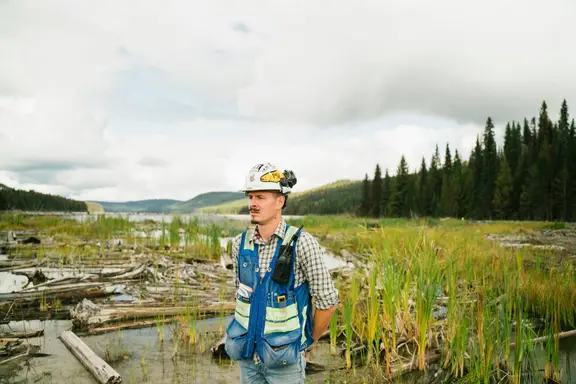
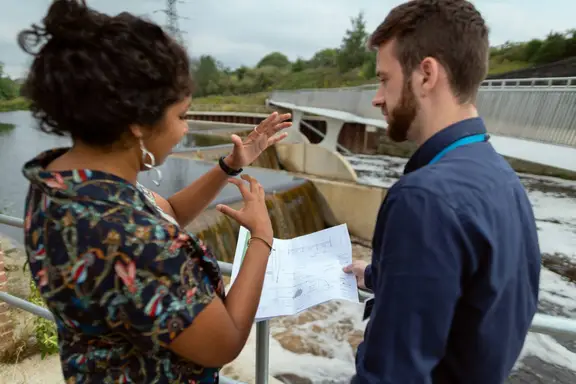
If you have recently completed or are pursuing an advanced degree in Environmental Engineering, you have a bright future ahead of you. Your specialized education can unlock a wide variety of challenging and rewarding job roles. In an era of growing environmental concerns, your skills will be in high demand. As an environmental engineer, you could work on developing sustainable technologies, implementing waste management systems, assessing environmental impacts of infrastructure projects, or even advising policymakers. The field provides ample opportunities for innovating and making a real difference to our world.
- Environmental Consultant: Offer advice on environmental policy, conduct environmental impact assessments, and design environmental management systems for both private companies and public sector bodies.
- Water Project Manager: Responsible for designing and managing large-scale projects related to water resources, such as reservoirs, dams, and drainage systems.
- Renewable Energy Engineer: Develop and implement renewable energy systems, such as wind, solar, and hydroelectric power setups.
- Air Quality Engineer: Monitor and improve air quality, design air pollution control systems, and ensure compliance with air quality regulations.
- Environmental Policy Advisor: Work with government bodies or advocacy groups to guide policy decisions related to the environment. They provide informed opinions based on scientific research and technical expertise.
According to the U.S. Bureau of Labor Statistics (BLS), the median annual wage for environmental scientists and specialists was $80,060 in May 2024. The median wage is the wage at which half the workers in an occupation earned more than that amount and half earned less. The lowest 10 percent earned less than $49,220, and the highest 10 percent earned more than $134,690.
Source
As a postgraduate in Environmental Engineering, a wide range of job prospects could unfold for you. Possibilities span both the public and private sectors, challenging you to apply your knowledge in diverse domains. Opportunities include environmental consultants, aiding businesses in reducing their environmental impact and navigating environmental regulations. You could become an environmental engineer in government, developing or enforcing policies to protect public health and the environment. Or, you may aspire to be a project manager for an engineering firm, spearheading initiatives to improve environmental sustainability. Another perspective could be contributing to academia, leading research and teaching the next generation of environmental engineers. Always remember, these positions not only offer personal growth opportunities and competitive salaries, but also the rewarding potential to make a profound impact on the health of our planet.