Five starsTrusted by 70,000+ Future Students

Subject guide

Renewable Energy

Imagine yourself at the cutting edge of the ever-evolving field of renewable energy, contributing innovation, gaining expert knowledge, and shaping a sustainable future. The field of renewable energy is fast-growing, full of opportunity, and critical to the wellbeing of our planet. Higher education in renewable energy provides you with the necessary tools and skills to step into this realm, offering a wide range of programs that cover various aspects, from energy engineering and energy management to policy and economics associated with renewable energy. Trust us to provide you with accurate, reliable information to help guide your educational journey, matching you with schools that align with your career aspirations.

Find school options
Renewable Energy study and career guide

Renewable Energy

In studying renewable energy, you're choosing to take part in the forefront of technology that holds the key to global sustainability. As part of your higher education journey, this rich and diverse field opens vast opportunities for innovation-packed studies and future-shaping careers. With the promise of a world less dependent on finite energy sources, renewable energy harnesses the perpetual power of nature's gifts such as sun, wind, and water. This field not only offers a chance to make a significant contribution to the world but also boasts a promising job market on its growth trajectory. Your dedication and pursuit of knowledge in renewable energy could lead to revolutionary advances that help push humanity towards a cleaner, more sustainable future. Your decision to delve into this pivotal field is not only inspiring but also invaluable for generations to come.

Explore this subject within Science & Engineering.

Renewable Energy Program goals

The pursuit of a program in Renewable Energy tailors students with in-depth knowledge and expertise in this critical domain. This prospect offers an opportunity to participate actively in the revolutionary clean energy transition shaping the future of the globe. It helps you understand how mankind can harness natural resources, such as sunlight and wind, into energy that houses businesses, lights streets, and powers vehicles. By delving into this transformative education, you align yourself with a fast-growing career field and a chance to make a meaningful change in the world.

  • To gain comprehensive understanding of various renewable energy technologies.
  • To develop technical expertise in designing, optimizing, and implementing renewable energy systems.
  • To understand the environmental, economic, and social implications of renewable energy practices.
  • To analyze energy policies and regulatory frameworks guiding the renewable energy sector.
  • To advance in a rapidly growing industry with many opportunities for job growth and career advancement.
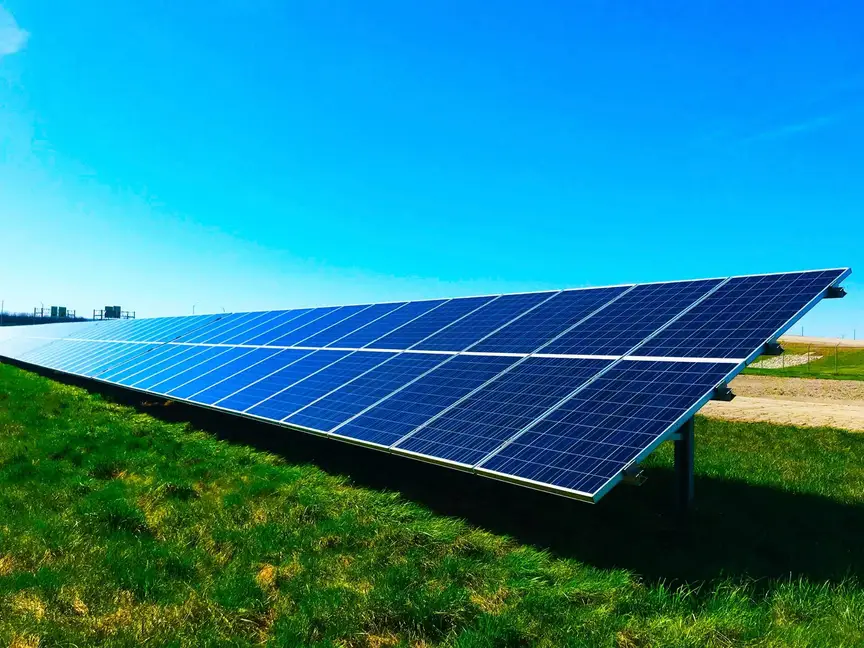
Renewable Energy Program goals illustration

What are the Student Learning Outcomes

If you're embarking on a journey to study Renewable Energy, you are positioning yourself for a promising future in an incredibly vital field. This is a forward-thinking and advanced area of study, designed to equip you with the knowledge, skills, and competencies needed to not just contribute, but also lead in the ever-evolving global energy landscape. By the time you graduate, you should be adept in several areas that renewable energy encompasses.

  • Understanding of fundamentals and applications of different types of renewable energy such as wind, solar, bioenergy, and hydropower.
  • Ability to design, evaluate, and implement renewable energy systems.
  • Proficiency in critical thinking and problem-solving skills specific to renewable energy challenges.
  • Knowledge and skills to promote and manage renewable energy projects.
  • Ability to clearly communicate complex renewable energy concepts in both technical and non-technical settings.
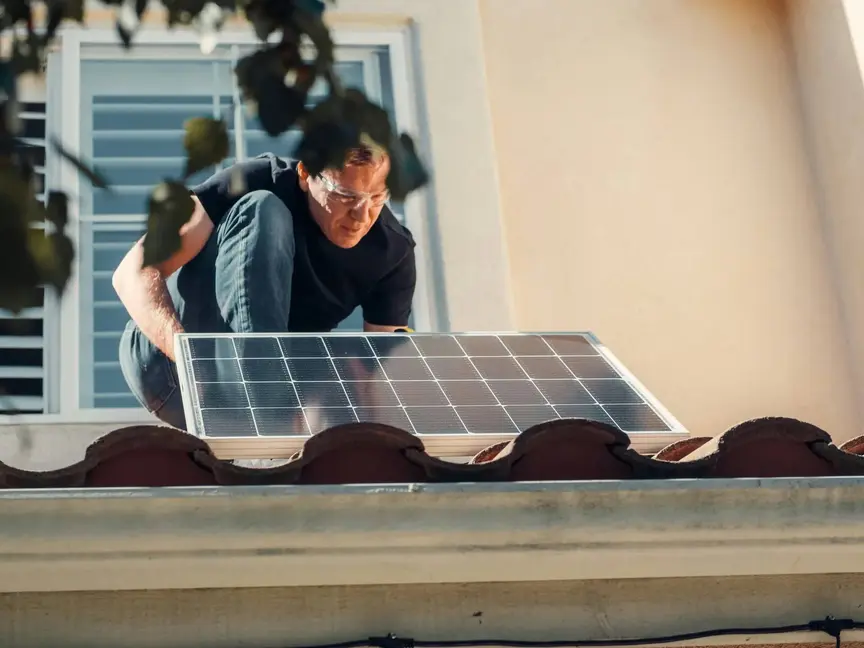
What are the Student Learning Outcomes illustration
Photo by This is Engeneering on Unsplash

What experience do I need to be able to apply for Renewable Energy

When looking to begin a higher education program in Renewable Energy, it's important to have some core prerequisites under your belt. These experiences create a solid foundation that will support your advanced learning in this cutting-edge field. It's recommended you have a fundamental understanding in subjects such as physics, mathematics, and environmental science, as these are typically core to the renewable energy curriculum. Practical familiarity in areas such as project management or research methodology could also be beneficial. Additionally, prior experience or coursework in a specific renewable energy sector like solar or wind power would be an advantage.

  • Basic understanding of Physics: This helps to understand the principles behind renewable energy sources.
  • Proficiency in Mathematics: It's essential for solving various technical issues related to renewable energy.
  • Understanding of Environmental Science: This builds a foundation for understanding how renewable energy impacts the environment.
  • Practical experience in Project Management or Research Methodology: These skills will assist in translating course knowledge into practical applications.
  • Specific renewable energy sector knowledge: If you already have specific knowledge about solar or wind power, it could be a significant advantage.
What experience do I need to be able to apply for Renewable Energy illustration

Renewable Energy careers

Following postgraduate studies in Renewable Energy, a plethora of exciting and rewarding career opportunities come alive. This field is booming and is vital in combating the adverse impacts of climate change while concurrently meeting the growing demand for energy. Moreover, as an expert in renewable energy, you can profoundly contribute to society while also carving out a successful career. You could work within research and development, guiding innovations in the energy sector. You could find your calling in project or plant management, ensuring efficient operation of renewable energy installations. Alternatively, energy policy or consultancy roles could leverage your knowledge base to shape future energy strategies and guide corporations and governments alike in their energy endeavors. Additionally, manufacturing and sales careers are also prevalent in the renewable energy sector, allowing you to bring your research to the marketplace.

  • Research and Development Scientist/Engineer
  • Renewable Energy Project Manager
  • Energy Plant Operator/Manager
  • Renewable Energy Consultant
  • Energy Policy Analyst
  • Renewable Energy Systems Manufacturer
  • Renewable Energy Salesperson

According to the U.S. Bureau of Labor Statistics (BLS), the median annual wage for solar photovoltaic installers was $51,860 in May 2024.

https://www.bls.gov/ooh/construction-and-extraction/solar-photovoltaic-installers.htm#tab-5

If you choose to further your education by pursuing post-graduate studies in Renewable Energy, you have numerous potential job paths to consider. You could become a Renewable Energy Consultant, providing companies with sustainable energy solutions. Alternatively, you could work as a Solar Energy Systems Engineer, designing and evaluating solar energy projects. As a Wind Energy Engineer, you'd primarily focus on the design, testing, and implementation of wind energy systems. Another option is a Geothermal Production Manager, where you'd be responsible for overseeing operations at geothermal power generation facilities. As a Biomass Plant Manager, you'd direct the work activities at biomass power generation facilities. All these roles not only have a high earning potential but also offer the personal satisfaction of contributing to a more sustainable future. The specific earning potential for these roles is contingent upon numerous factors like location, years of experience, and specific sector within renewable energy.

Ready to compare Renewable Energy programs?

Share your study preferences once. We’ll use them to find relevant school options.

Find school options