Five starsTrusted by 70,000+ Future Students

Subject guide

Painting

If you are passionate about art and expression, then pursuing higher education in painting might be just the right path for you. Studying painting at a university level not only allows you to hone your skills but also exposes you to an array of artistic styles, perspectives, and histories. This educational journey fosters creativity, equips you with comprehensive technical skills, develops your conceptual understanding, and prepares you for a dynamic career in the art world. It's more than just getting your brush on the canvas; it's about narrating your story, impacting culture, and contributing to the vibrant tapestry of visual communication. Every brush stroke you make is a step towards achieving your career dreams.

Find school options
Painting study and career guide

Painting

Consider the field of painting; a dynamic and captivating art form that has the power to bring historical moments to life and ignite feelings deep within us. As an individual considering furthering your education in the art of painting, you embark on a journey rooted in tradition, yet fueled by creativity and personal expression. Higher education in painting typically offers comprehensive curriculum that encompasses both the theoretical and practical elements of this art form, often also incorporating a historic perspective to enrich your understanding. You will gain the chance to explore various mediums and styles, from oils to watercolors, and from abstract to realism, with the goal of developing your own unique artistic voice. Have faith in your choice and remember, every painting tells a story. What will yours say?

Explore this subject within Art & Design.

Painting Program goals

When you embark upon a program in Painting, you're not just learning to create art, but explore a medium that can express your deepest thoughts and emotions in profound and engaging ways. Studying painting provides you with a platform to enhance your creative talent, understand the depth of visual language, and gain insights into art’s cultural and historical contexts. This journey doesn't merely equip you with practical skills in painting techniques but cultivates critical thinking, originality, and innovative perspectives that are valuable in numerous career pathways.

  • Gain a comprehensive understanding of the theory and practice of painting.
  • Develop your unique artistic style and voice.
  • Understand and appreciate the historical and cultural contexts of art.
  • Enhance creative problem-solving and critical thinking skills.
  • Prepare for diverse careers in the art world such as an artist, curator, educator, or art consultant.
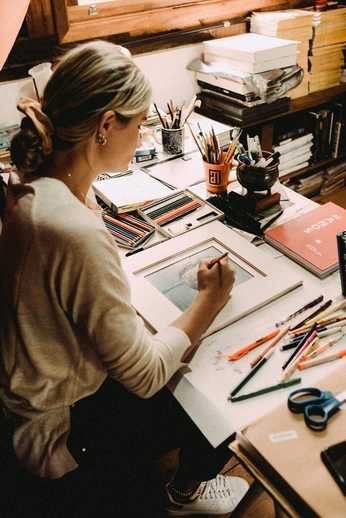
Painting Program goals illustration

What are the Student Learning Outcomes

Embarking on a program in Painting is not only about honing your artistic skills, but also understanding the fine complexities of color, texture, and the way they interact with light. It's a course that allows you to shape your visual and conceptual perception, while developing a unique artistic voice. Here's a look at what you would typically gain by the end of your painting program:

  • An in-depth understanding of color theory, painting techniques, and various mediums.
  • The ability to create a comprehensive body of work that showcases your personal style and philosophical outlook.
  • Skills to analyze and critically discuss works of art within historical and contemporary context.
  • The potential to explore potential career opportunities in various fields such as fine arts, art administration or art education.
  • Enhancement of your creative thinking and problem-solving abilities, which are transferrable skills applicable in many other professional domains.
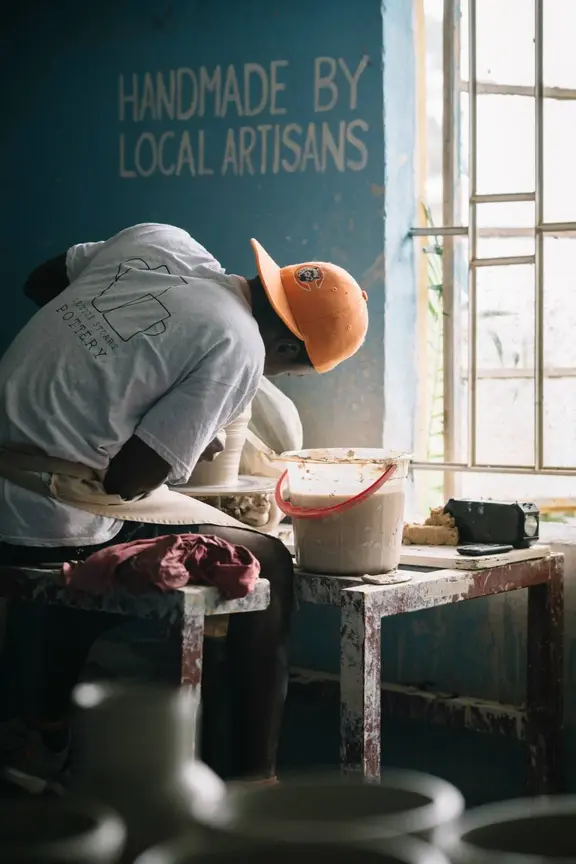
What are the Student Learning Outcomes illustration
Photo by This is Engeneering on Unsplash

What experience do I need to be able to apply for Painting

You don't necessarily need a specific set of experiences to start a higher education program in Painting. However, having a solid foundation in basic art principles, and some practical experience with painting, can make your journey smoother. You must have a good understanding of color theory, shading, perspective, and compositions. Demonstrating creativity and originality in your work is also crucial in this field, as is possessing a certain level of manual dexterity from practice with various painting tools. Furthermore, you'll find it beneficial to have developed an appreciation for art history and different painting styles. Remember: the driving factor should be your passion for painting and eagerness to improve your skills and knowledge.

  • An understanding of basic art principles
  • Practical experience with painting on various mediums
  • Comprehension of color theory, shading, perspective, and composition
  • Experience demonstrating creativity and originality
  • Manual dexterity from practice with various tools for painting
  • Familiarity with art history and different painting styles
  • A passion for painting and a desire to learn
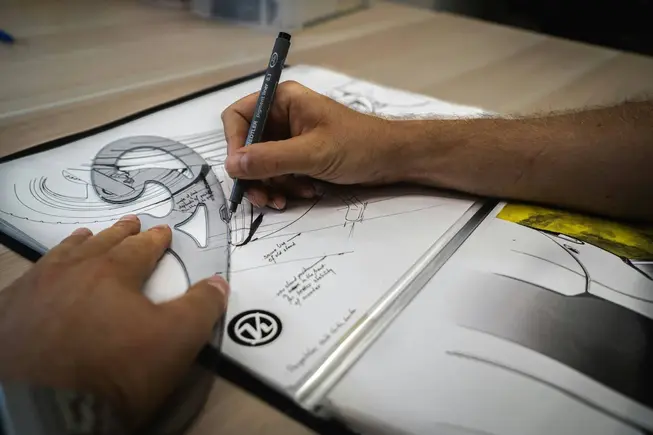
What experience do I need to be able to apply for Painting illustration

Painting careers

As a postgraduate in painting, a canvas of exciting career opportunities awaits you. While many might think that becoming an artist is the only viable option, the reality is far broader. Profound knowledge and mastery of color, form, and texture, combined with critical thinking and innovative creativity, translate into a variety of unique professions in the visual arts sector. You may find a fulfilling career in education, curating exhibitions, restoration, and even digital media. Your advanced degree could also lead to positions in museums, galleries, or even the world of publishing. The skills you've honed — observation, conceptual thinking, craftsmanship, and communication — are resonantly relevant in a multitude of fields.

  • Art therapist
  • Museum or art gallery curator
  • Art critic or journalist
  • Art consultant
  • Art teacher or lecturer
  • Art restoration specialist
  • Commercial artist
  • Mural artist
  • Art director
  • Set designer

The potential earnings for postgraduates in the field of painting can vary significantly, influenced by factors such as specialization, experience, and market demand. According to the Bureau of Labor Statistics, the median annual wage for craft and fine artists was $56,260 in May 2024.

Source

If you're pursuing post-graduate studies in painting, you should be excited about the range of future job opportunities that lie ahead. Working as a professional artist is, of course, one of the most popular career paths. You could specialize in selling your original works of art or even offer commissions to clients. Additionally, you can consider sharing your knowledge and skills as an art teacher in schools, colleges, or community programs. Illustration is another field you could explore. Many businesses and brands are on the lookout for unique visuals for their products or marketing campaigns. Art therapy is a growing area where the healing and therapeutic power of art can help individuals cope with stress, trauma, or illness. Another option is to work in a museum or gallery, contributing to the curation and management of art exhibits. Remember, your artistic skills can also be valuable in the world of digital design. Many graphic designers, animators, and game designers use their painting skills in their work. While opportunities may seem endless, keep in mind that each path requires dedication and hard work. So go ahead, pursue your passion, and create your own unique career journey in the world of painting.

Ready to compare Painting programs?

Share your study preferences once. We’ll use them to find relevant school options.

Find school options