If you're a postgraduate in Computer Manufacturing, exciting and fulfilling career paths await you. This industry offers a wide range of opportunities, from technical roles where you'll be at the forefront of creating cutting-edge technology, to legal roles protecting the intellectual property of these innovations. Not only can you shape the future with your technical expertise, you can also lead and inspire teams as a project or operations manager. Regardless of your chosen career path, you'll play an essential role in driving technological progress and innovation.
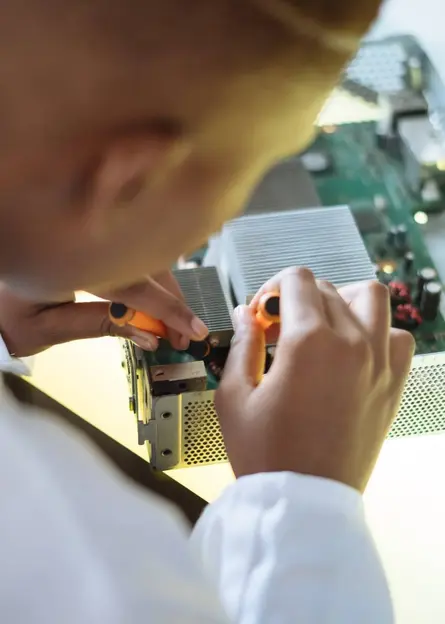
- Hardware Engineer: Design, develop, and test the physical components of computer systems.
- Quality Assurance Engineer: Ensure the high quality and performance of computer systems through rigorous testing and troubleshooting.
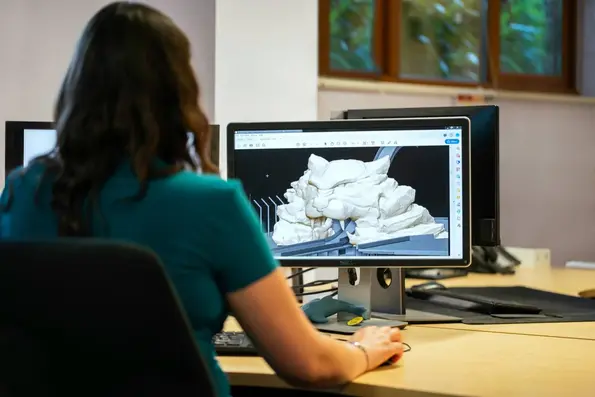
- Software Developer: Be creatives behind applications and systems, writing efficient and effective code.
- Patent Attorney: Specialize in patent laws and procedures to protect inventions and innovations in technology.
- Project Manager: Oversee project budgets, timelines, and deliverables, and guide teams to successful completion.
- Operations Manager: Oversee manufacturing processes within a company, ensuring smooth and efficient operations.
According to the U.S. Bureau of Labor Statistics (BLS), the median annual wage for computer hardware engineers was $155,020 in May 2024. The lowest 10 percent earned less than $81,630, and the highest 10 percent earned more than $212,770.
Source
(No postgraduate-specific salary data available from the BLS.)
With a post-graduate degree in Computer Manufacturing, job opportunities abound. You may find yourself working as a Manufacturing Engineer, tasked with designing, implementing, monitoring, and maintaining manufacturing processes. You could be responsible for making crucial decisions in the development of new computer products. Another option is the role of a Quality Assurance Engineer. In this capacity, you'd ensure that manufacturing processes meet all quality standards by conducting rigorous inspections and tests. Alternatively, you might prefer to contribute to R&D (Research and Development) teams where you'd get a chance to innovate and bring about improvements in designing and manufacturing superior computer hardware. One lucrative role you could end up with is that of a Project Manager, where you'd oversee all stages of manufacturing, from planning to execution. Finally, don't forget the world of academia where you could inspire the next generation of computer manufacturing professionals. Remember, these are only a few examples. This dynamic field always has room for your unique skills and ambitions.