Five starsTrusted by 70,000+ Future Students

Subject guide

Electronics Maintenance & Repair

If you're passionate about how electronics work and wish to turn that curiosity into a rewarding career, studying Electronics Maintenance & Repair in higher education could be an ideal path for you. This detailed, hands-on field equips you with the knowledge and skills to diagnose, repair, and maintain a wide range of electronic devices and systems — everything from smartphones to industrial electronics. You not only learn valuable technical skills but also develop problem-solving abilities that can pave the way for numerous employment opportunities. Acknowledge your potential, enhance your unique skill set, and jumpstart your pursuit of this fascinating career!

Find school options
Electronics Maintenance & Repair study and career guide

Electronics Maintenance & Repair

As you contemplate expanding your education and advancing your career, consider the dynamic field of Electronics Maintenance & Repair. This aspect of higher education focuses on the diagnosis, repair, and preventative measures for electronics, equipping students with the essential tools and knowledge to succeed in the technical industry. With the consistent rise of electronic devices and their integration into nearly every aspect of our lives, your newly-acquired skills will not only be valuable but also in high demand. Our trusted resources and accurate information will guide you in selecting a school that aligns with your educational needs and career goals, preparing you for a successful and fulfilling journey in Electronics Maintenance & Repair. Remember, your education is an investment in your future. Make it count.

Explore this subject within Trade & Vocational.

Electronics Maintenance & Repair Program goals

As you embark on your journey of studying a program in Electronics Maintenance & Repair, you're setting yourself up for a promising and rewarding career path. This program’s goal is to equip you with a comprehensive understanding of electronic systems, their functions, and how to expertly troubleshoot any issues. It's designed to develop your dexterity and problem-solving skills in an ever-evolving technological landscape. You'll learn how to maintain and repair a wide variety of home and industrial electronics, enabling you to play a significant role in today's technology-dependent society.

  • Provide a broad and detailed understanding of electronic systems and their operations
  • Teach students how to effectively troubleshoot and resolve issues in electronic devices
  • Develop the manual dexterity needed to work with intricate electronic parts
  • Enhance problem-solving abilities to tackle complex technical issues
  • Equip students with skills to maintain and repair a wide range of electronics, from household devices to complex industrial equipment
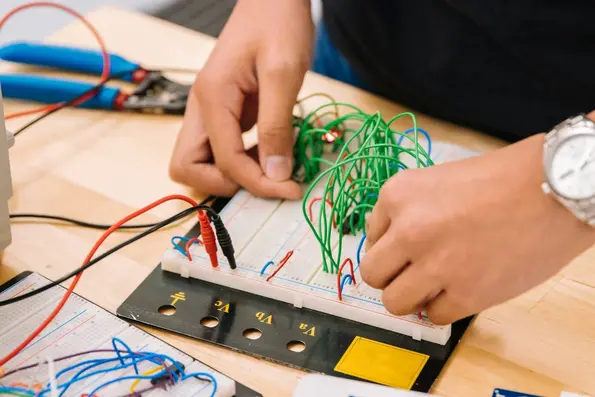
Electronics Maintenance & Repair Program goals illustration

What are the Student Learning Outcomes

If you're keen on exploring technology's internal mechanics, a program in Electronics Maintenance & Repair could be your gateway to an engaging career. This study program is designed to provide you with comprehensive knowledge about the operation, maintenance, and repair of various electronic systems and devices. It aims to equip you with the skills required to excel in the ever-evolving field of electronics.

  • Gaining a deep understanding of electronic components and circuits.
  • Acquiring hands-on experience in diagnosing and fixing electronic system errors.
  • Developing proficiency in the use of electronic testing equipment.
  • Enhancing the ability to read and interpret electronic drawings and schematics.
  • Building familiarity with the safety procedures and regulations that govern the field.

At the end of this program, you'll be well-versed in the functionality and upkeep of electronic systems, paving your way towards a thriving career in electronics maintenance and repair. Start your journey today and shape your future tech-savvy world.

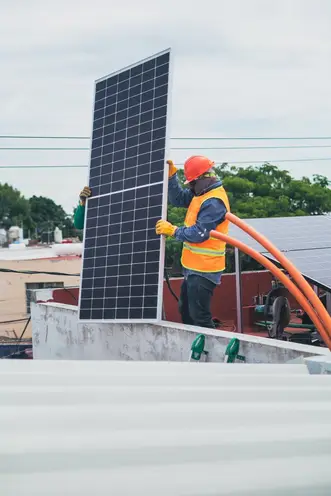
What are the Student Learning Outcomes illustration
Photo by This is Engeneering on Unsplash

What experience do I need to be able to apply for Electronics Maintenance & Repair

If you're considering a higher education program in Electronics Maintenance & Repair, it's crucial that you have foundational knowledge and skills in this field. Typically, being already acquainted with basic electronics principles, having experience with hand and power tools, and possessing problem-solving abilities can be massively beneficial. Furthermore, your ability to read schematics and understanding the safety protocols involved in electronics work also plays a significant role in finding success in this program. Remember, this field requires precision, patience, and a keen interest in understanding how electronic devices operate and can be fixed.

  • Understanding of basic electronics principles
  • Experience using hand and power tools
  • Ability to read schematics
  • Understanding of electronics safety protocols
  • Strong problem-solving skills and precision
  • Keen interest in electronic devices operation and maintenance

As you progress in your education journey, continually expanding your skills and knowledge base, you'll find yourself growing more confident, capable, and ready to embark on a rewarding career path in electronics maintenance and repair. Remember, the journey begins with the right preparation and mindset, so equip yourself with the necessary prerequisites to make the most of your education.

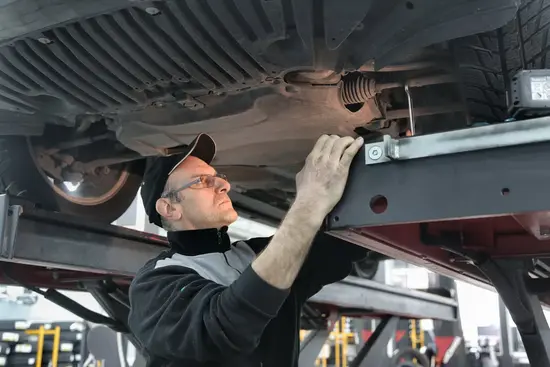
What experience do I need to be able to apply for Electronics Maintenance & Repair illustration

Electronics Maintenance & Repair careers

As a postgraduate in Electronics Maintenance & Repair, various challenging and rewarding career opportunities are open to you. Your advanced understanding of electronic systems and hands-on skills to maintain and repair such systems are highly sought after in many industries. These could range from consumer electronics, electrical manufacturing, telecommunications, automotive, aerospace, defence, and much more. You could work in roles such as electronics technician, field service engineer, electronic test and repair technician, or even an electronics maintenance supervisor. Your branch of study encompasses a broad spectrum of technology, so you have the flexibility to narrow down your career into a specific domain that interests you.

  • Electronics Technician: Working on a range of electronic equipment, you'll diagnose and repair faults, often in a hands-on, practical environment.
  • Field Service Engineer: A mobile role, servicing and maintaining equipment at clients' locations.
  • Electronic Test & Repair Technician: Specializing in testing equipment for faults and ensuring operational standards are met.
  • Electronics Maintenance Supervisor: A managerial role overseeing other technicians and maintaining a high standard of equipment function and safety.

According to the U.S. Bureau of Labor Statistics (BLS), the median annual wage for electrical and electronics installers and repairers was $71,270 in May 2024. The occupation does not typically require a postgraduate degree, as the necessary education typically includes a high school diploma combined with specialized training or apprenticeships.

Source

As a post-graduate in Electronic Maintenance & Repair, you have various exciting career opportunities awaiting you. You can consider being a professional Electronics Repair Technician working on a wide variety of electronic systems and devices. Other roles include Quality Assurance Technician, where you ensure electronic devices meet industry standards, or become an Electronics Installer or Repairer, focusing on vehicles or larger electrical systems. Additionally, you may embrace the entrepreneurial path, starting your own electronics repair business. Discover the path that suits your passion and expertise. Remember, your post-graduate studies give you the advantage of specialized knowledge, which can make you highly desirable in the competitive job market.

Ready to compare Electronics Maintenance & Repair programs?

Share your study preferences once. We’ll use them to find relevant school options.

Find school options