Five starsTrusted by 70,000+ Future Students

Subject guide

Gerontology

As you envision your future career endeavors in the field of gerontology, consider your journey in higher education as a crucial steppingstone. Gerontology, the comprehensive study of aging and older adults, is an interdisciplinary field that integrates knowledge from biology, psychology, and sociology. With a rapidly aging population, specialized education in gerontology opens up numerous ways to make a positive impact, whether it's in healthcare, social work, research, or policy-making. Embrace this opportunity to engage with innovative research and practical applications that can change the lives of older adults for the better. Begin your journey to a fulfilling career today by exploring degrees and programs that align with your passion for gerontology.

Find school options
Gerontology study and career guide

Gerontology

In your pursuit for higher education, you might have encountered the term Gerontology. As a multidisciplinary field, gerontology encompasses the study of aging and elderly individuals including the physical, mental, and sociological aspects associated with aging. Delving into gerontology can open a myriad of opportunities in the sectors of healthcare, public policy, research, social work, and more. Whether you choose to specialize in it, or just integrate its principles into your existing line of study, gerontology can add a holistic perspective to your educational journey and further your career goals. As you explore this potential path, remember that your choices should align with your interests, and personal and professional aspirations. We're here to provide credible information and guide you without any pressure, helping you make the most informed decisions about your next steps in higher education.

Explore this subject within Nursing & Healthcare, Psychology and Counseling.

Gerontology Program goals

The purpose of studying a program in Gerontology is to equip you with vital knowledge and skills to better serve and understand the needs of the aging population. Gerontology is an interdisciplinary field, combining aspects of social science, healthcare, and psychology. By embarking on this path, you'll acquire the required skills to address the unique challenges and maximize the opportunities related to an aging population. The study of gerontology will prepare you to provide proficient care to older adults and design policies and programs to enhance the quality of life for seniors.

  • Acquire specialized knowledge about the aging process and its impact on individuals, families, and societies.
  • Gain experience in elderly care, improving your expertise in providing needs-based healthcare services for older adults.
  • Develop and implement programs and policies designed to support the aging population, taking into account their unique needs.
  • Equip yourself with skills and tools to advocate for seniors, ensuring their rights and needs are duly met.
  • Create a career that is fulfilling, rewarding, and ensures a growing demand for your services as population demographics shift.
Gerontology Program goals illustration

What are the Student Learning Outcomes

As you embark on the journey of studying Gerontology, you're set to acquire a wealth of knowledge and skills aimed to enhance your understanding and compassion towards the needs of an aging population. This field provides a comprehensive perspective on the human aging process and the societal changes it brings about. As such, the program is designed to produce a variety of significant learning outcomes.

  • Gaining comprehensive interdisciplinary knowledge about the aging process - biologically, socially, and psychologically.
  • Developing the ability to assess, plan, and coordinate services to meet the individual and collective needs of older adults.
  • Acquiring skills to advocate for older adults and influence policy decisions that affect their lives.
  • Understanding the need to promote healthy lifestyle and aging practices.
  • Ability to conduct and interpret gerontological research to keep pace with new developments in the field.

Joining the field of Gerontology offers a rewarding career that combines continuous learning with the ability to make meaningful, practical contributions to society.

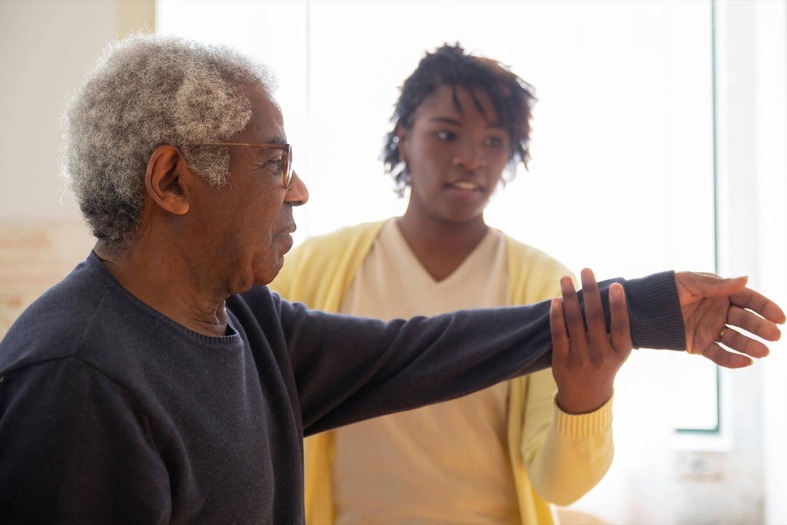
What are the Student Learning Outcomes illustration
Photo by This is Engeneering on Unsplash

What experience do I need to be able to apply for Gerontology

If you're considering starting a higher education program in Gerontology, it's vital to have foundational knowledge and experience in a few key areas. Gerontology is the study of aging, which requires a broad understanding of numerous disciplines, such as biology, psychology, and sociology. You'll need an understanding of the basic principles of these subjects, which is often obtained through an undergraduate degree in a related field. Having some practical experience in healthcare or another profession dealing with older individuals could be beneficial, as it can provide you with a real-life perspective on the issues that the elderly face. Furthermore, good communication skills are crucial, given the often sensitive nature of issues you'll be dealing with.

  • An undergraduate degree in a related field, such as psychology, sociology, or biology.
  • Practical experience in healthcare or a related profession.
  • Strong communication skills, particularly in discussing sensitive issues.
  • An interest in and understanding of the unique challenges faced by the elderly.
What experience do I need to be able to apply for Gerontology illustration

Gerontology careers

If you're passionate about improving the quality of life for older adults, a postgraduate degree in Gerontology can provide a gateway into numerous satisfying careers. As a gerontologist, you'll contribute to the wellbeing of the elderly, playing an educational, advocacy, and direct care role. This field is interdisciplinary, drawing on medical, psychological, and social perspectives. Possible career paths can be varied and multifaceted, providing plenty of opportunities for you to find your niche and make a profound impact in the lives of older adults.

  • Social Worker for the Elderly: Guide and assist older adults and their families during difficult times.
  • Health Services Manager: Maintain the quality and efficiency of geriatric healthcare services.
  • Geriatric Psychologist: Provide mental health services to older adults, helping them navigate the emotional challenges of aging.
  • Geriatric Care Manager: Develop and coordinate care programs to meet the needs of elderly clients.
  • Researcher: Conduct studies to improve the understanding and treatment of age-related diseases.
  • Adult Day Care Manager: Oversee programs targeting the social and health-related needs of older adults.
  • Elder Law Attorney: Specialize in legal issues affecting older adults like estate planning or power of attorney.
  • Retirement Property Manager: Ensure the smooth operation and maintenance of housing facilities for senior citizens.

Remember, whatever path you choose, a career in gerontology promises to be rewarding and enjoyable, granting you the opportunity to make a real difference in people's lives every day. If you believe this could be your calling, then obtaining a postgraduate degree in Gerontology might be the first step toward shaping your dream career.

According to the U.S. Bureau of Labor Statistics (BLS), the median annual wage for social workers was $61,330 in May 2024. Clinical social workers, who typically require a postgraduate degree, may earn higher salaries, but specific figures are not provided in the BLS data.

Source

As a postgraduate in gerontology, exciting job opportunities abound that allow you to take advantage of your specialized knowledge. Many positions in healthcare, such as Geriatric Care Managers, Geriatric Social Workers, or Gerontological Nurse Practitioners provide a chance to directly support the health and well-being of the elderly. You might also consider a career in policy or advocacy, working to improve laws and systems that affect senior populations. If academia is your passion, consider becoming a gerontology researcher or professor. Job roles in mental health, including counseling and therapy, also exist to assist older adults in maintaining cognitive function and emotional health. Each of these pathways emphasizes the importance of understanding the complex physical, emotional, and social needs of our aging population.

Ready to compare Gerontology programs?

Share your study preferences once. We’ll use them to find relevant school options.

Find school options