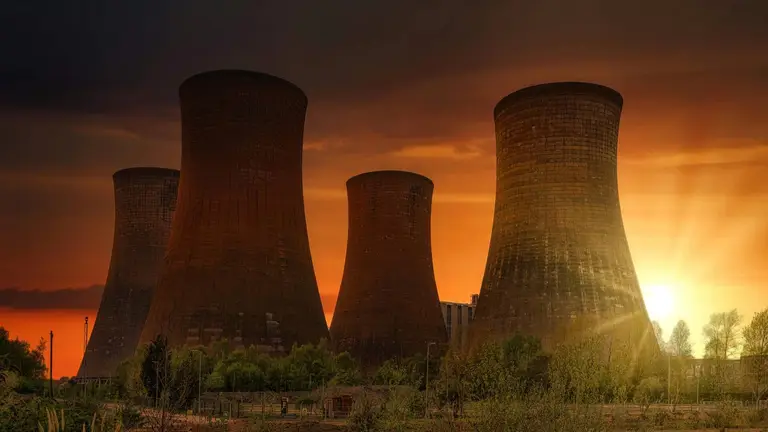
If you're pursuing postgraduate studies in Nuclear Engineering, you're opening doors to a myriad of exciting and impactful careers. Nuclear Engineering is an essential field contributing to various sectors such as energy, medicine, space exploration, and navy. With a postgraduate degree in this field, you are not only enhancing your theoretical understanding but also your practical skills. It can lead to a career in academia or industry, from being a research scientist, reactor engineer, nuclear operator, to a nuclear safety inspector. Additionally, potential roles in government agencies and hospitals that use nuclear medicine are also lucrative career paths.
- Research Scientist: Conduct and lead groundbreaking nuclear research in academia or industry.
- Reactor Engineer: Oversee the operation and maintenance of nuclear reactors.
- Nuclear Operator: Operate nuclear plant equipment safely and efficiently.
- Nuclear Safety Inspector: Ensure all nuclear operations adhere to safety regulations and procedures.
- Radiological Engineer: Focus on applications and safety aspects of radiation in sectors such as medicine or industrial processes.
- Regulatory Affairs Specialist: Work with regulatory bodies to ensure compliance with nuclear regulations and laws.
- Nuclear Medicine Technologist: Work in hospitals, aiding in the diagnosis and treatment of disease with nuclear medicine technologies.
According to the U.S. Bureau of Labor Statistics (BLS), the median annual wage for nuclear engineers was $127,520 in May 2024. The median wage is the wage at which half the workers in an occupation earned more than that amount and half earned less. The BLS does not provide specific salary data for postgraduates, but it reports that the lowest salaries are around $82,150, and the highest salaries exceed $174,020 annually[1][3].
Source
As a postgraduate in Nuclear Engineering, a variety of exciting career opportunities await you. You can work in high-demand fields such as nuclear power production where you ensure safe and efficient running of nuclear power plants. There are opportunities in research and development either in government agencies or private enterprises, working on innovative solutions for energy production or medical applications. You could even find a career in the health sector, focusing on radiation treatment for diseases like cancer. Jobs in regulatory bodies like the Nuclear Regulatory Commission are also in your grasp, monitoring and enforcing safety standards. The roles are diverse, from Nuclear Engineers, Health and Safety Engineers, Nuclear Equipment Operation Technicians, to Nuclear Medicine Technologists. These roles often come with competitive salaries and the satisfaction that you're contributing to critical areas in society. Venture into Nuclear Engineering and unlock a future of varied opportunities.