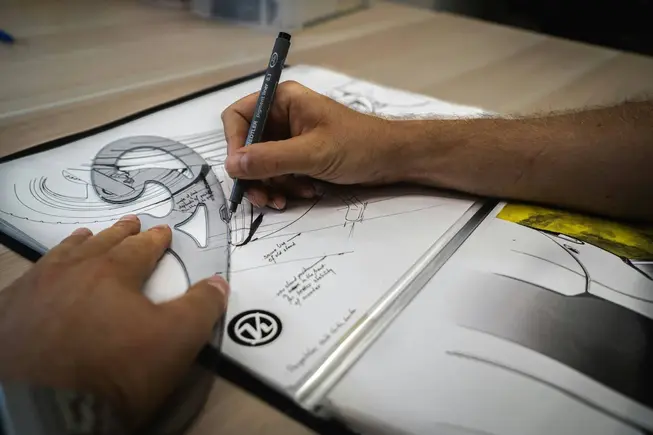
Interior design is an ever-growing field, with a wide array of career opportunities for post-graduates. Interior designers work in both residential and commercial spaces, bringing creativity and technical know-how to the planning and designing of physical spaces. Interior designers create aesthetically pleasing, functional spaces that are tailored to their clients’ needs and tastes. Interior designers work with furniture, colors, materials, and lighting to create a beautiful, practical environment. Careers in interior design range from traditional interior design positions with large architectural firms to freelance jobs with small design firms, creating custom furniture and home accessories. There are many opportunities for post-graduates in the field of interior design, from high-level designers to more niche roles such as interior styling and furniture layout. Interior design offers a creative, stimulating career which is both rewarding and challenging.
Wage information
According to the U.S. Bureau of Labor Statistics (BLS), the median annual wage for interior designers was $67,190 in May 2025.
Source: U.S. Bureau of Labor Statistics, Occupational Outlook Handbook, Interior Designers (visited November 24, 2026). BLS figures are national estimates for the occupation. They are not specific to any school or program, are not entry-level wages, and do not guarantee employment or earnings. Actual pay varies by location, experience, and employer.
What jobs can graduates in Interior Design get?
Graduates of interior design programs can explore a range of possibilities in the field of interior design. There are many interior design jobs available in areas such as home decor, room design, interior styling, furniture layout, and interior architecture. Graduates can pursue careers as interior designers, drafters, architects, and even furniture designers. Interior designers typically work with clients to plan, design, and furnish interior spaces in homes, offices, retail stores, and other spaces. They create custom designs that balance aesthetics, practicality, and cost. Drafters create detailed technical drawings and plans for architectural and engineering structures and systems. Architects design and construct residential and commercial buildings, while furniture designers create unique furniture pieces for individuals or stores. With the right education and experience, graduates can find fulfilling and rewarding careers in the field of interior design.