Five starsTrusted by 70,000+ Future Students

Subject guide

Rehabilitation & Therapeutic Services

If you're passionate about helping people overcome physical and mental challenges, and want to make a meaningful impact in the health and wellness landscape, advancing your education in Rehabilitation & Therapeutic Services might be your perfect fit. In the realm of higher education, this field focuses on understanding, preventing, and treating injuries, illnesses, and disabilities. With a solid foundation in these studies, you can steer your career towards various rewarding paths, such as becoming a therapy practitioner, rehabilitation counselor, or wellness consultant. We're here to help guide you in finding an educational pathway that not only meets your learning goals but also aligns with your career aspirations in this vital healthcare sector.

Find school options
Rehabilitation & Therapeutic Services study and career guide

Rehabilitation & Therapeutic Services

You're considering a future in Rehabilitation & Therapeutic Services within the realm of higher education, an area perfectly tailored for individuals who are empathetic, patient, and have an inherent desire to help others improve their lives. These health-focused disciplines offer a variety of paths, allowing you the opportunity to specialize in areas like physical therapy, occupational therapy, speech language pathology, or recreational therapy. With a degree in these fields, you can work to improve the health and wellbeing of individuals who are recovering from illnesses, injuries, or surgeries, or aiding those living with disabilities or chronic illnesses. In this rewarding field, your educational journey will blend rigorous academic study with hands-on practical skills, giving you a robust foundation for your future career. As always, choosing the right school is critical to ensure you are well-prepared for this profession, and we strive to provide you with accurate, reliable educational information to support your decision.

Explore this subject within Nursing & Healthcare.

Rehabilitation & Therapeutic Services Program goals

As you consider a program in Rehabilitation & Therapeutic Services, it's essential to understand the key goals of such study paths. Engaging with this field will equip you with the necessary skills to aid individuals manage, recover or improve their physical abilities while nurturing an invaluable ability to empathize and communicate effectively with patients. This rewarding field of healthcare concentrates on patient's holistic recovery and improvement, enhancing your ability to make a real difference in the lives of those in need.

  • To acquire an in-depth understanding of the human body, injury, and illness conditions, and therapeutic strategies for rehabilitation.
  • To develop exceptional interpersonal and communication skills for effective patient interaction and counseling.
  • To cultivate professional competence in providing comprehensive rehabilitation services for individuals with diverse needs.
  • To prepare for a rewarding career in various healthcare settings such as hospitals, clinics, rehabilitation centers, and patients' homes.
  • To train in creating customized therapeutic plans aiming for patients' optimal recovery and improving their quality of life.
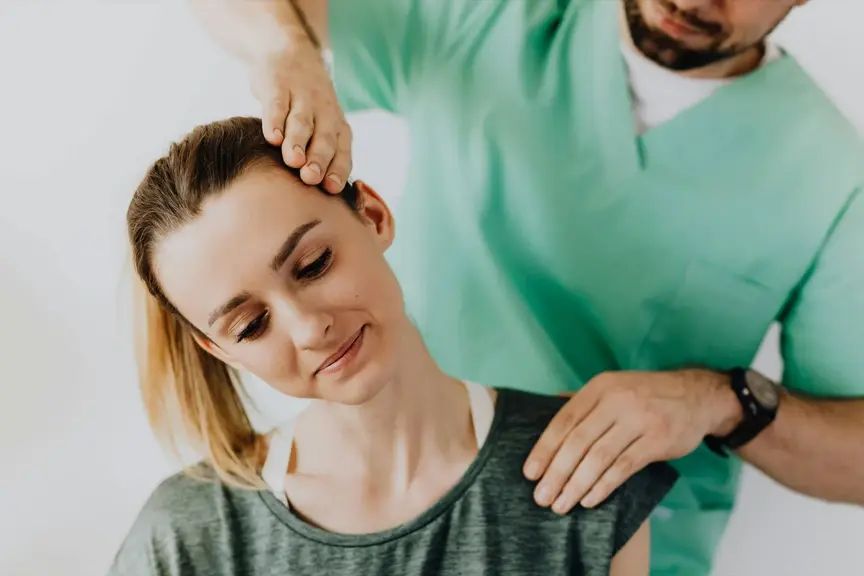
Rehabilitation & Therapeutic Services Program goals illustration

What are the Student Learning Outcomes

As you delve into your studies of Rehabilitation & Therapeutic Services, you'll develop a broad yet intensive understanding of the therapeutic rehabilitation sector. This program is designed to equip you with the necessary skills, knowledge, and competence to support individuals with various health challenges or disabilities on their journey to wellness and recovery. You can expect to attain a blend of theoretical knowledge and practical training, thereby promoting optimal patient care.

  • Gain comprehensive knowledge in various areas of therapeutic rehabilitation, including physical therapy, occupational therapy, speech therapy, and other related disciplines.
  • Develop critical thinking and problem-solving skills applicable within a rehabilitative context.
  • Understand and implement best practices in patient assessment, treatment planning, and therapeutic intervention.
  • Acquire essential clinical skills through hands-on experience in diverse rehabilitation settings.
  • Master interpersonal and communication skills for effective professional relationships with patients, their families, and other healthcare professionals.
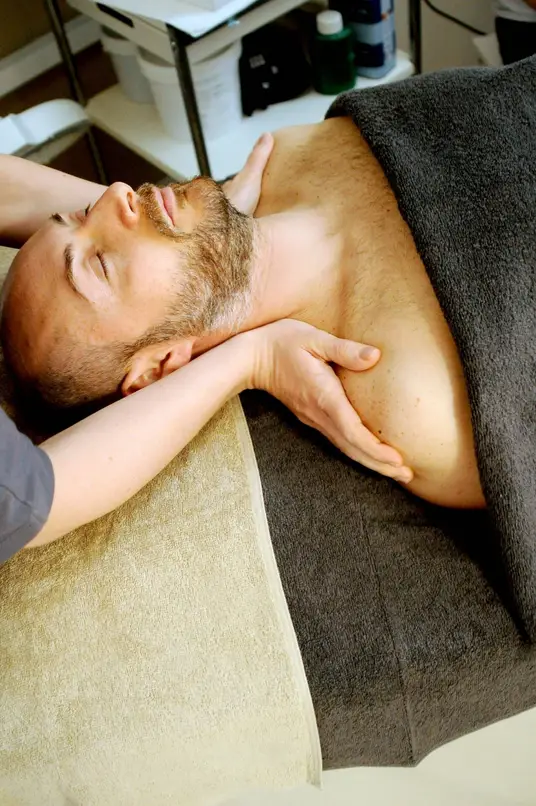
What are the Student Learning Outcomes illustration
Photo by This is Engeneering on Unsplash

What experience do I need to be able to apply for Rehabilitation & Therapeutic Services

In pursuing a higher education program in Rehabilitation & Therapeutic Services, it's critical to have some foundational experiences to guide you. It often starts with an interest in physical therapy, occupational therapy, or recreational therapy. Possessing a high school diploma or equivalent is a mandatory requirement. Prior coursework in subjects such as anatomy, physiology, psychology, and biology would greatly benefit you. Additionally, experiences in volunteer or part-time roles that involve caring for others, especially those with disabilities, can prove advantageous. Lastly, developing strong skills in communication and interpersonal relationships will serve you well as you work with patients in the future.

  • High school diploma or equivalent
  • Coursework in Anatomy, Physiology, Psychology, and Biology
  • Volunteer or part-time experiences with care-giving, especially for individuals with disabilities
  • Strong interpersonal and communication skills

The path to Rehabilitation & Therapeutic Services is not always straightforward, but each step, regardless of how small it may seem, contributes towards reaching your professional goals. Stay focused, engage interestedly in every learning opportunity that comes your way, and remember, your passion for helping others is your best motivation.

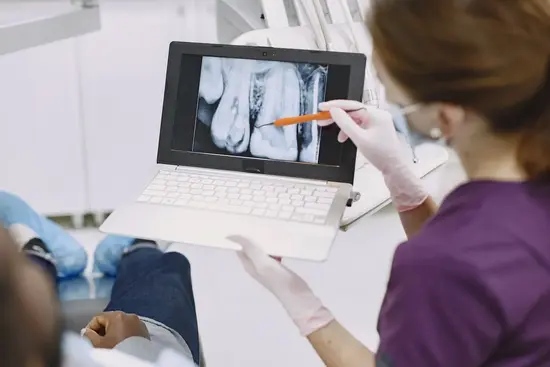
What experience do I need to be able to apply for Rehabilitation & Therapeutic Services illustration

Rehabilitation & Therapeutic Services careers

Graduating with a degree in Rehabilitation & Therapeutic Services can open a whole world of possibilities to you. Along with the comprehensive understanding of wellness and health you'll gain, you will also develop essential interpersonal and hands-on skills needed in today’s dynamic healthcare settings. Potential career options in this field are diverse, including working directly with patients as a therapist or counselor, overseeing programs and services as a rehabilitation director, or contributing to the future of the field as a researcher or educator. It's a field that's not just rich in opportunities, but is also deeply rewarding.

  • Physical Therapist: Help people dealing with mobility issues or chronic conditions to improve their movement and manage pain.
  • Occupational Therapist: Assist patients in regaining, developing, or maintaining the skills necessary for daily living and working.
  • Audiologist: Work with people of all ages to treat issues related to hearing and balance.
  • Speech-Language Pathologist: Diagnose and treat communication and swallowing disorders in patients of all ages.
  • Rehabilitation Counselors: Assist people with physical, mental, developmental, or emotional disabilities live independently.
  • Rehabilitation Director: Plan, direct, and coordinate rehabilitation services within healthcare facilities and organizations.
  • Respiratory Therapists: Treat patients suffering from breathing or cardiopulmonary disorders such as asthma or emphysema.

According to the U.S. Bureau of Labor Statistics (BLS), the median annual wage for occupational therapists, a key profession in rehabilitation and therapeutic services, was $98,340 in May 2024. The lowest 10 percent earned less than $62,120, and the highest 10 percent earned more than $128,450.

Source

As a postgraduate in Rehabilitation & Therapeutic Services, an array of exciting career opportunities await you. You might decide to become a Physical Therapist, where you would help individuals regain mobility and manage pain after an injury or illness. Similarly, as an Occupational Therapist, you'd work closely with patients needing assistance in performing day-to-day tasks due to a physical, mental, or developmental condition. The role of a Recreational Therapist could also be a good fit, enriching lives through therapeutic recreational activities. Alternatively, you may envision yourself as a Speech-Language Pathologist working to assess, diagnose, and treat communication and swallowing disorders. Remember, you are the architect of your own career, and the opportunities in the Rehabilitation & Therapeutic Services field are plentiful.

Ready to compare Rehabilitation & Therapeutic Services programs?

Share your study preferences once. We’ll use them to find relevant school options.

Find school options