Five starsTrusted by 70,000+ Future Students

Subject guide

Visual Communication

Visual Communication is a fascinating field within higher education that combines art and technology to deliver clear and compelling messages. Harnessing the power of images, symbols, and videos, visual communication plays a critical role in a variety of industries from marketing and public relations to digital media and graphic design. Developing skills in this field sets you on a path to not only interpreting and understanding complex information more effectively but also communicating your own ideas with innovation and creativity. Embarking on this academic journey can significantly enhance your critical thinking, problem-solving, and technological competencies, empowering you to excel in your chosen career path.

Find school options
Visual Communication study and career guide

Visual Communication

Visual Communication embodies an integral facet of the higher education sphere. As you strive to ascend your educational pilgrimage and actualize career dreams, it's crucial to comprehend this dynamic discipline that bridges the gap between creativity and technology. The field of Visual Communication entails understanding and mastering the art of conveying ideas and information visually. This extends across myriad formats from digital design, advertising, animation, to graphic design, and beyond. Often multidisciplinary, this field gears you up to decipher and create visual messages, equipping you not just with technical acumen, but also cultural, social, and ethical contexts that shape today's digital landscape. If your interests lie soaked in cultivating a keen visual curiosity and translating it into impactful narratives, then delving into Visual Communication might be your stepping stone towards a stimulating and versatile career path.

Explore this subject within Art & Design.

Visual Communication Program goals

When embarking on a program in Visual Communication, your key goal is to acquire an essential balance of practical skills and theoretical knowledge in the field. This discipline is an interplay of graphic design, illustration, web design, and advertising, aiming to communicate messages in a visually compelling way. By studying Visual Communication, you're preparing for a diverse range of careers in industries where design innovation and visual narrative are highly prized.

  • Understanding the essential elements and principles of visual design.
  • Mastering a variety of design software and technologies.
  • Gaining practical experience through projects and internships.
  • Developing a professional portfolio highlighting your unique design style and abilities.
  • Learning to communicate effectively with clients and stakeholders through visual language.
Visual Communication Program goals illustration

What are the Student Learning Outcomes

From your journey studying a program in Visual Communication, you can expect to gain a multifaceted understanding and proficiency in a variety of interesting fields. This program is designed to equip you with the knowledge, skills, and critical thinking tools needed to effectively communicate visually in a variety of mediums. Whether you aspire to work in advertising, graphic design, film production, or another creative field, your learning from this program will provide a solid foundation and elevate your career opportunities.

  • Develop understanding of different visual communication tools and mediums
  • Acquire critical thinking skills to analyze and create engaging visual content
  • Gain practical knowledge to apply effective design principles
  • Learn to convey information and messages through visual elements
  • Enhance your creativity and problem-solving abilities
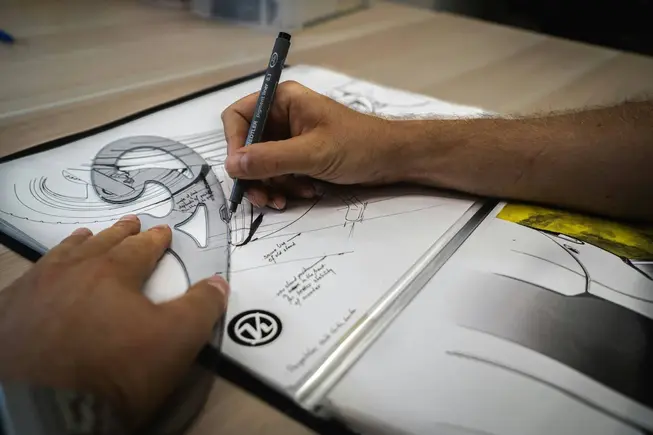
What are the Student Learning Outcomes illustration
Photo by This is Engeneering on Unsplash

What experience do I need to be able to apply for Visual Communication

As you set your sights on higher education in Visual Communication, it's important to understand the experience you may need to start your academic journey. To get into a Visual Communication program, you typically need to have a strong foundation in the fundamental aspects of art and design. Many programs require prior coursework or experience in drawing, graphic design, digital media, or a similar area. Additionally, having a portfolio of work that showcases your creative and technical skills can be incredibly valuable. This prior experience will help prepare you for the intensive studio work, complex design projects, and theoretical studies typically encountered in Visual Communication programs.

  • Prospective students should have experience or coursework in art and design.
  • Skills in drawing or graphic design are often necessary.
  • Experience with digital media is usually beneficial.
  • A portfolio showcasing creative and technical skills is often required or highly recommended.
  • A solid understanding of the principles of design can be helpful.

Remember, each Visual Communication program may have different requirements, so be sure to research several options and talk with advisors or admissions staff to understand the specific prerequisites. Through careful preparation and determination, you can launch your educational journey and fulfill your aspirations in the exciting field of Visual Communication.

What experience do I need to be able to apply for Visual Communication illustration

Visual Communication careers

After successfully completing your post-graduate studies in visual communication, a multitude of fulfilling and dynamic career paths open up for you. In this fast-paced field, your expertise could apply to roles where you create and convey ideas using visual materials. These career paths not only require artistic flair, but also an understanding of media, cultural and social trends, marketing strategies and the target audience's preferences and behavior. The employment prospects are vast and varied, ranging from advertising and marketing to graphic design, brand consultancy, filmmaking, interior design, and digital media. Here, your work could involve designing visual layouts, branding and advertisement campaigns, creating films or interactive digital content, or shaping the aesthetic and functional aspects of physical spaces.

  • Graphic Designer
  • Brand Consultant
  • Advertising Art Director
  • Filmmaker
  • Interior Designer
  • UI/UX Designer
  • Multimedia Specialist
  • Web Designer
  • Illustrator
  • Animator

Each of these occupations will allow you to tap into your creativity, technological skills, and comprehension of visual communication theories and principles. Moving forward in your quest for lifelong learning and career progression, remember that your ambitions are reachable, and every step you take is a step closer to your goal. Continual learning and improvement are key to remaining adaptable, innovative, and successful in your chosen field.

Careers in the field of arts and design offer a diverse range of opportunities, including graphic designers, art directors, commercial photographers, and multimedia artists, each with unique salary ranges. As per the latest data from the Bureau of Labor Statistics, the median annual wage for graphic designers was $61,300 in May 2024. This information can be a useful reference for post-graduates looking to explore these fields.

https://www.bls.gov/ooh/arts-and-design/graphic-designers.htm#tab-5

If you're pursuing postgraduate studies in Visual Communication, you'll find a diverse array of career opportunities waiting for you. Whether you're passionate about graphic design, photography, or digital media, you can use your advanced degree to springboard into a highly rewarding career in numerous fields. You may become a graphic designer in a vibrant ad agency, a visual effects artist in a world-renowned film studio, or a product photographer in the fashion industry. Alternatively, roles such as art director, brand consultant, or multimedia artist are frequently sought after options. Corporations, nonprofits, and educational institutions often employ visual communication experts to assist in their marketing and educational efforts, meaning you're not just limited to the creative industries. Remember, your journey into the world of visual communication doesn't end with graduation - it's just the beginning!

Ready to compare Visual Communication programs?

Share your study preferences once. We’ll use them to find relevant school options.

Find school options