Five starsTrusted by 70,000+ Future Students

Subject guide

Culinary Arts

If you're passionate about food and enjoy creativity, considering a career in the Culinary Arts can be an exciting path. This field of study is more than just cooking; it's a blend of art and science focused on creating memorable dining experiences. It covers everything from food preparation to presentation, and often involves understanding different culinary styles from around the world. Part of higher education, Culinary Arts programs encourage a balance of practical experience and theoretical study. Through these programs, you may develop professional cooking skills, understand food safety practices, learn about food science, and gain a broad understanding of the hospitality industry. Embarking on a journey into the Culinary Arts will prepare you not only to become a professional chef but also to explore diverse career opportunities within the food industry.

Find school options
Culinary Arts study and career guide

Culinary Arts

If you have always had a passion for cooking and are considering taking this passion a step further by seeking higher education in culinary arts, you're embarking on a wonderful and fulfilling journey. Studying culinary arts at a higher education level provides a unique blend of theoretical knowledge and hands-on experience, preparing you for various roles in the ever-evolving world of food and hospitality. Not only will you study food preparation and presentation, you'll delve deep into topics like nutrition, food science, business, and restaurant management. Every lesson is a stepping stone towards developing a refined skill set and broadening your culinary palate. Remember, immersing yourself in the world of culinary arts means stepping into a creative, fast-paced industry known for its dedication to craft and taste. We take pride in providing you with accurate, reliable information to support you in making informed decisions about your future.

Explore this subject within Art & Design, Trade & Vocational.

Culinary Arts Program goals

Studying a program in Culinary Arts opens up a diverse array of career paths for you in the exciting world of food. As someone who has a passion for food and cooking, your aim is not just to learn cooking techniques, but also to equip yourself with a strong foundation in all aspects of culinary management. Having a professional culinary qualification under your belt can open up opportunities for you to venture into food styling, food journalism, catering, nutrition, or even start your own food business. Your culinary journey begins with a dedicated culinary arts program, where you will master everything from the basics to advanced cooking skills.

  • Goal 1: To acquire strong technical skills in a wide array of culinary techniques.
  • Goal 2: To learn about various world cuisines and food history.
  • Goal 3: To develop skills in menu planning and culinary presentation.
  • Goal 4: To understand all aspects of kitchen management, including hygiene, storage, and logistics.
  • Goal 5: To gain hands-on experience through internships and in-kitchen training.
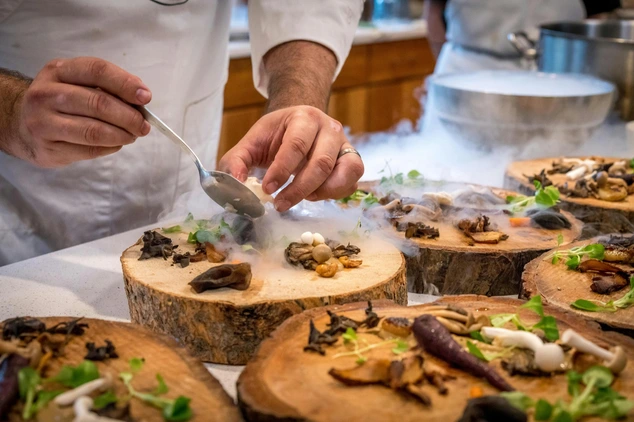
Culinary Arts Program goals illustration

What are the Student Learning Outcomes

By pursuing a program in Culinary Arts, you are setting yourself on a path to acquire a mastery of culinary techniques and knowledge of diverse cuisines. You will gain an understanding of the essential aspects of food preparation, including menu planning, sanitation practices, and various managerial practices in the kitchen. The program offers practical training and development of your creativity, equipping you for a successful career in this vibrant industry.

  • Develop a comprehensive understanding of culinary practices and techniques.
  • Gain proficiency in diverse cuisines and food cultures.
  • Understand the principles of menu planning and execution.
  • Acquire knowledge of food sanitation standards and kitchen safety measures.
  • Learn practical kitchen management skills.
  • Cultivate creativity and artistic presentation of food.
  • Equip yourself with practical experiences for a successful career in the culinary industry.
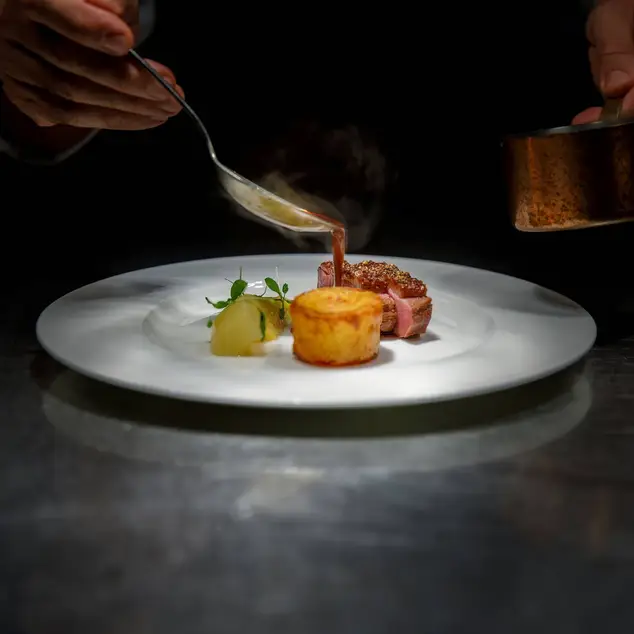
What are the Student Learning Outcomes illustration
Photo by This is Engeneering on Unsplash

What experience do I need to be able to apply for Culinary Arts

If you're interested in starting a higher education program in Culinary Arts, it's important to possess certain prior experiences. These experiences not only boost your understanding of the field, but serve as a foundation once you launch into the more intensive parts of your culinary education. You might already be a great home cook, but experience in a professional kitchen, an understanding of food safety protocols and basic knowledge of the culinary arts are beneficial. While not always mandatory, prior exposure to a commercial kitchen setting, food preparation, and cooking techniques can make the initial transition smoother. Proving your passion for the culinary arts through previous experiences shows commitment and dedication to prospective schools.

  • Experience in a professional or commercial kitchen.
  • Understanding of basic food safety and hygiene requirements.
  • Familiarity with a range of cooking techniques and styles.
  • Knowledge of different cuisines and flavor profiles.
  • Any part-time or full-time job in the food industry can be beneficial.
What experience do I need to be able to apply for Culinary Arts illustration

Culinary Arts careers

If you're considering furthering your education in the field of Culinary Arts, you're setting yourself on the path to an array of exciting and diverse career opportunities. Passion for food and creativity are not the only aspects of this profession; it's also about transforming your culinary skills into a successful career. Whether you dream about owning your own restaurant or becoming a private chef, a postgraduate degree in Culinary Arts can give you the advanced skills and knowledge needed to excel in this dynamic industry.

  • Executive Chef: In this role, you could oversee the operation of a restaurant or dining facility. You could manage a team of cooks, plan menus, and ensure consistency in taste and presentation.
  • Food Stylist: If you have a keen eye for detail, you could use your culinary art skills to prepare food for photography, film, or television.
  • Food Writer or Critic: You can use your knowledge of food to write articles or books about cuisine, or critique restaurants or food products.
  • Catering Director: Perfect for those who enjoy event planning, where you could plan, coordinate, and supervise catering services for events or establishments.
  • Nutritionist: For those interested in health and wellness, you could advise clients on how to lead a healthier lifestyle or achieve specific health-related goals through diet.
  • Food Technologist: Combining science with your culinary skills, you can work in developing new food products, improving existing ones, or ensuring high food quality and safety standards.

The ability to profit and thrive in culinary arts as a postgraduate primarily depends on expertise, skill-set, and specialization. According to the U.S. Bureau of Labor Statistics (BLS), chefs and head cooks earn a median annual wage of $60,990 as of May 2024. However, those with advanced degrees and experience can earn significantly more, though specific figures for postgraduates are not provided. Advanced training often leads to higher-paying roles in high-end establishments.

Source

If you're a postgraduate in Culinary Arts, a world of delightful career opportunities awaits you. As a trained chef, you may be able to run your own kitchen as an Executive Chef, or specialize as a Pastry Chef with emphasis on desserts. If you prefer an administrative route, consider working as a Food Service Manager, overseeing the day-to-day operations of restaurants and other establishments that serve food and drinks. On the other hand, if you're passionate about sharing your culinary knowledge, a position as a Culinary Instructor might suit you. This role involves teaching culinary students in a university, community college, or vocational school. Alternatively, a Culinary Consultant job could allow you to use your expert knowledge to advise clients on menu development, food safety protocols, and cost control strategies. Another exciting possibility is working as a Food Stylist, which involves making food look appealing for media like cookbooks or food advertisements. Each of these possibilities allows you to use your education and skills in exciting, fulfilling ways.

Ready to compare Culinary Arts programs?

Share your study preferences once. We’ll use them to find relevant school options.

Find school options