Five starsTrusted by 70,000+ Future Students

Subject guide

Cardiovascular Technology

Embarking on a journey to a higher education in Cardiovascular Technology? That's a smart move. This field is crucial in today's healthcare system, offering incredibly rewarding and vital roles within the sector. You'll learn a surprising range of skills, from operating sophisticated imaging technology to assisting in life-saving procedures, helping physicians to detect and treat heart and blood vessel issues. Importantly, it's both a personally fulfilling and rapidly growing field, improving outcomes for cardiovascular patients and providing a stable, dynamic career. Deciding to further your education in this area shows your ambition and dedication to making a real difference. And remember, we’re here to aid you with reliable, accurate information to help reach that goal.

Find school options
Cardiovascular Technology study and career guide

Cardiovascular Technology

As you contemplate your future career and seek the pathway for reaching your unique vocational aspirations, exploring your interest in Cardiovascular Technology in the context of higher education can be a remarkable leap forward. This highly-specialized discipline involves studying and applying the latest practices and cutting-edge technology to diagnose and treat heart and blood vessel conditions. As part of your journey, you will have the opportunity to acquire critical knowledge, perfect your clinical skills, and contribute to a field that helps to improve the quality of life for countless individuals. As always, your educational journey should align with both your personal interests as well as future job opportunities, hence it’s crucial to find the right institutions that match your career goals while providing comprehensive educational experiences. Each step taken is a stride towards a rewarding, life-changing career in healthcare.

Explore this subject within Nursing & Healthcare.

Cardiovascular Technology Program goals

Studying in the field of Cardiovascular Technology opens doors to exciting and fulfilling professions dedicated to heart health. As you embark on this path, you align yourself with a program designed to equip you with the necessary knowledge and skills to perform invaluable services in the healthcare sector. The primary goals are not only gaining a well-rounded understanding of the concepts linked to heart-related medical conditions, but also to deliver proper diagnostic procedures, patient care, and contributing to the development of the cardiovascular profession.

  • Develop technical competencies in non-invasive cardiovascular procedures.
  • Understand the principles of cardiovascular disease detection and monitoring.
  • Gain the ability to work closely with doctors and other medical professionals as part of a patient care team.
  • Acquire hands-on knowledge and practical experience with state-of-the-art cardiovascular technology equipment.
  • Implement procedures and protocols that prioritize patient well-being and safety.
  • Contribute to advancements in the field through continued learning and professional development.
Cardiovascular Technology Program goals illustration

What are the Student Learning Outcomes

Studying a program in Cardiovascular Technology sets you on a path to a fulfilling career in a vital area of healthcare, where you become an expert in cardiac and vascular systems and technologies that diagnose and treat related diseases. The curriculum is designed to equip you with practical and theoretical knowledge that will make you an asset in any healthcare facility. Undertaking this program not only boosts your technological competence but also hones your problem-solving, communication, and patient care skills.

  • Become proficient in using cardiovascular diagnostic and treatment technologies
  • Develop communication skills necessary for effective patient interactions
  • Acquire a strong knowledge base on cardiac and vascular systems and diseases
  • Develop strong critical thinking and problem-solving abilities applicable to clinical situations
  • Understand the principles of patient care in cardiovascular settings
What are the Student Learning Outcomes illustration
Photo by This is Engeneering on Unsplash

What experience do I need to be able to apply for Cardiovascular Technology

Beginning a program in Cardiovascular Technology requires certain prior experiences that will better prepare you for your journey. You will need a solid foundation in subjects like Biology, Physics, and Chemistry, as these are integral to understanding the complexities of the cardiovascular system. Your analytical skills must be sharp, along with your ability to communicate effectively—both written and verbal. It is also beneficial to have experience in patient care, as the role often involves direct contact with patients. Lastly, prior experience using medical technology and conducting tests will be valuable as this technology is used routinely within the Cardiovascular Technology field.

  • A foundation in Biology, Physics, and Chemistry
  • Strong analytical skills
  • Effective written and verbal communication skills
  • Patient care experience
  • Experience using medical technology and conducting tests

Remember, these experiences are stepping stones on your path to starting your higher education program in Cardiovascular Technology. Harness these skills and experiences and you'll be well-equipped for the rewarding journey ahead.

What experience do I need to be able to apply for Cardiovascular Technology illustration

Cardiovascular Technology careers

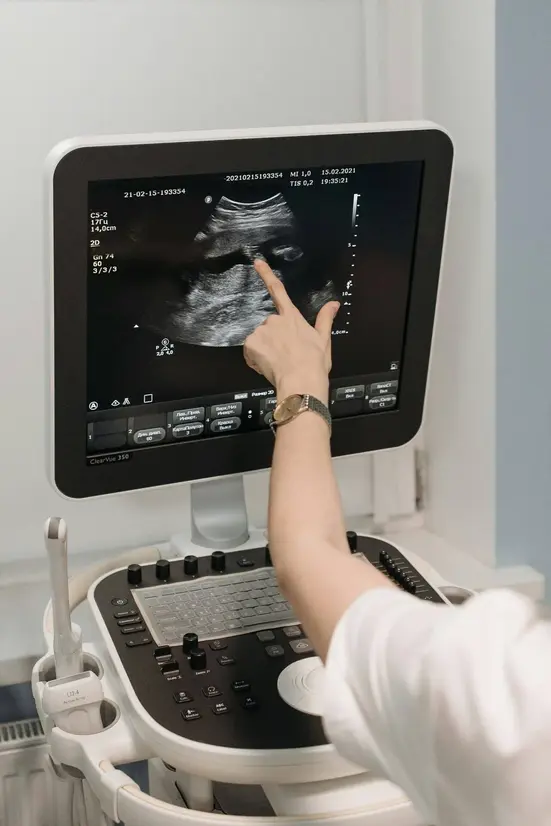
As a postgraduate in Cardiovascular Technology, you'll have a wealth of exciting career options available to you. Your advanced knowledge of cardiovascular systems and the technology associated with them opens up opportunities in both healthcare and research settings. You may choose to specialize in invasive procedures, assisting surgeons with vital, life-saving surgeries. Alternatively, you could work in a non-invasive role, focusing on diagnosing and monitoring patients with cardiovascular diseases. Research-based careers are also achievable, working on the development of new technologies or improving existing ones.

  • Cardiovascular Technologist in invasive procedures
  • Diagnostic Cardiovascular Technologist (Non-Invasive)
  • Cardiovascular Researcher
  • Cardiovascular Equipment Technician
  • Cardiovascular Sales Representative

According to the U.S. Bureau of Labor Statistics (BLS), the median annual wage for diagnostic medical sonographers was $89,340 in May 2024. The lowest 10 percent earned less than $64,760. The highest salary data is not available for this specific occupation in the provided BLS data.

Source

As a postgraduate of Cardiovascular Technology, you have an array of exciting professions ahead of you. You could become a cardiovascular technologist or a cardiac sonographer, where you'd assist doctors with diagnosing and treating heart ailments. Alternatively, consider a role as an electrocardiogram (ECG) technician, using technology to chart the heart's activity. Invasive cardiology offers opportunities to work directly on heart surgeries as part of a specialized team. Larger medical centers also hire cardiovascular technologists to manage vascular labs. Whether you are infatuated with understanding the functioning of the human heart or want to create a significant difference in patients' lives, a postgraduate degree in Cardiovascular Technology is your stepping stone.

Ready to compare Cardiovascular Technology programs?

Share your study preferences once. We’ll use them to find relevant school options.

Find school options