Five starsTrusted by 70,000+ Future Students

Subject guide

Marriage & Family Counseling

If you are passionate about helping people navigate through their relationships and family dynamics, pursuing a higher education in Marriage & Family Counseling could be the perfect fit for you. This field allows you to delve deeper into the complexities of human behavior, inter-personal relationships, and event-based trauma within families. Studying Marriage & Family counseling at higher education level equips you with the skills necessary to making a significant, positive impact on the lives of individuals, couples, and families. So, if you're motivated by the prospect of becoming an effective counselor and playing an instrumental role in improving the quality of others' lives, then this might just be the educational journey you've been looking for.

Find school options
Marriage & Family Counseling study and career guide

Marriage & Family Counseling

As you consider your career pathway in the field of higher education, the comprehensive and compassionate realm of Marriage & Family Counseling could be an appealing destination. This field is dedicated to facilitating healthier, more balanced relationships within families, between spouses and throughout complex interpersonal dynamics. With a focus on problem-solving, communication and understanding the unique dynamics of different family structures, this area of study extends well beyond traditional counseling. It teaches the techniques and skills that are a necessity in mitigating familial conflict, strengthening matrimonial bonds, and helping individuals to navigate though intricate family systems. This vocational sphere offers not just a rewarding and fulfilling career, but also the opportunity to make a substantial positive influence on people's lives every day.

Explore this subject within Psychology and Counseling.

Marriage & Family Counseling Program goals

The study of Marriage & Family Counseling aims to impart integral skills and knowledge required to effectively aid couples and families through their unique challenges and issues. As students, you'll be equipped with specialized understanding in fostering healthy relationships, improving communication, and resolving conflicts among different family structures. Whether you're aiming to launch your private practice or thrive in mental health facilities, non-profit organizations, or schools, this program is designed to meet your professional ambitions and passion for helping others.

  • Acquire in-depth comprehension of human behavioral science and relationship dynamics.
  • Develop counseling and therapeutic treatment strategies specific to couples and families.
  • Learn the practice and principles behind ethical therapeutic interventions and relationship healing.
  • Gain practical experience through internships in different settings such as counseling centers, hospitals, and schools.
  • Position yourself for a meaningful career in mental health fields, focusing on family and marriage counseling.
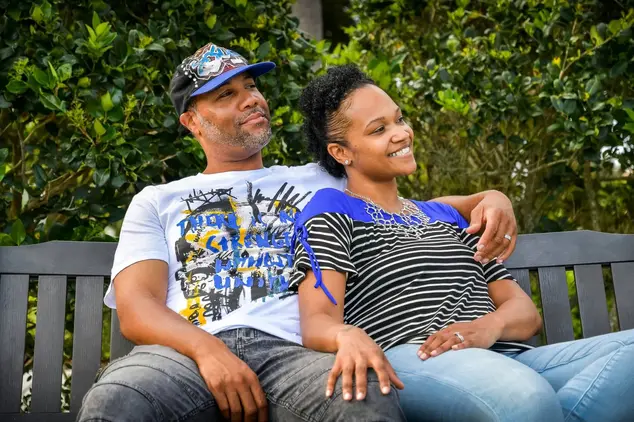
Marriage & Family Counseling Program goals illustration

What are the Student Learning Outcomes

Choosing the path toward studying a program in Marriage & Family Counseling is an insightful and rewarding decision. This specialized field of study equips you with a profound understanding of the complexities of interpersonal relationships and family dynamics. You'll develop the critical skills necessary to support couples and families as they navigate life's challenges. This program is designed for those who are empathetic, patient, and passionately driven to make a positive impact on the lives of others, all while maintaining a professional role. Here are some expected learning outcomes from this program:

  • Develop effective counseling techniques and practices specific to working with couples and families
  • Acquire a comprehensive understanding of various family systems theory and therapeutic models
  • Gain skills in conflict resolution, crisis intervention, and trauma-informed care
  • Understand legal, ethical, and cultural considerations in marriage and family counseling
  • Enhance communication skills to foster open and trusting therapeutic relationships
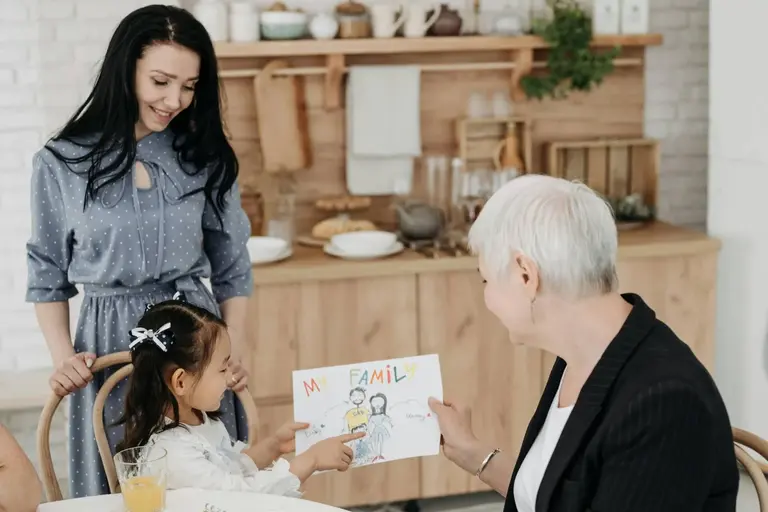
What are the Student Learning Outcomes illustration
Photo by This is Engeneering on Unsplash

What experience do I need to be able to apply for Marriage & Family Counseling

If you're considering starting a higher education program in Marriage & Family Counseling, there are certain experiences that could help you prepare for this rewarding career path. This field requires not just academic knowledge, but also strong interpersonal skills, empathy, and a keen understanding of human behavior. Prior experience in psychology or counseling can be particularly beneficial. Working or volunteering in social service settings such as group homes, community centers, or mental health clinics can give you invaluable experience. Even positions that involve community service, customer service, or working with diverse groups of people can be advantageous. These roles can help you develop the listening, communication, and problem-solving skills that are essential in marriage and family counseling.

  • Previous study or work experience in psychology or counseling
  • Experience working or volunteering in social services
  • Experience working with diverse individuals or groups
  • Roles that involve customer service or community service
  • Experience in conflict resolution or mediation
What experience do I need to be able to apply for Marriage & Family Counseling illustration

Marriage & Family Counseling careers

After completing your postgraduate studies in Marriage & Family Counseling, you will have a myriad of rewarding career choices awaiting you. This area of study is versatile, offering opportunities to work with different age groups, various types of families, and couples. You could find employment providing direct counseling services, or you might choose to work in related fields such as social work, therapy, healthcare, or education. These careers are about helping people navigate family dynamics and personal relationships, and require strong communication skills and the ability to empathize with a wide range of life experiences.

  • Marriage and Family Therapist
  • Child and Family Social Worker
  • School Counselor
  • Behavioral Health Director
  • Family Service Manager
  • Domestic Violence Counselor
  • Mental Health Counselor

These are just some of the potential career paths in the field of Marriage & Family Counseling. Regardless of the path you choose, your efforts will make a significant difference in the lives of those you serve.

According to the U.S. Bureau of Labor Statistics (BLS), the median annual wage for marriage and family therapists was $63,780 in May 2024. The median wage represents the wage at which half the workers in an occupation earned more and half earned less. The lowest 10 percent earned less than $39,090, and the highest 10 percent earned more than $104,710.

Source | Detailed Wage Data

If you're pursuing a postgraduate degree in Marriage & Family Counseling, a variety of job opportunities await you. You can work in different settings such as private practice, mental health centers, substance abuse treatment centers, and hospitals to provide counseling services for marriages, families, and individuals. You might also find roles in social service agencies, community organizations, or schools, helping individuals and families navigate complex life challenges. Moreover, academia is another viable option for those interested in research or teaching. With this degree, you can also embark on a career as a relationship counselor, family therapist, child and adolescent counselor, or grief counselor. The job roles offer immense potential for personal growth and professional advancement.

Ready to compare Marriage & Family Counseling programs?

Share your study preferences once. We’ll use them to find relevant school options.

Find school options