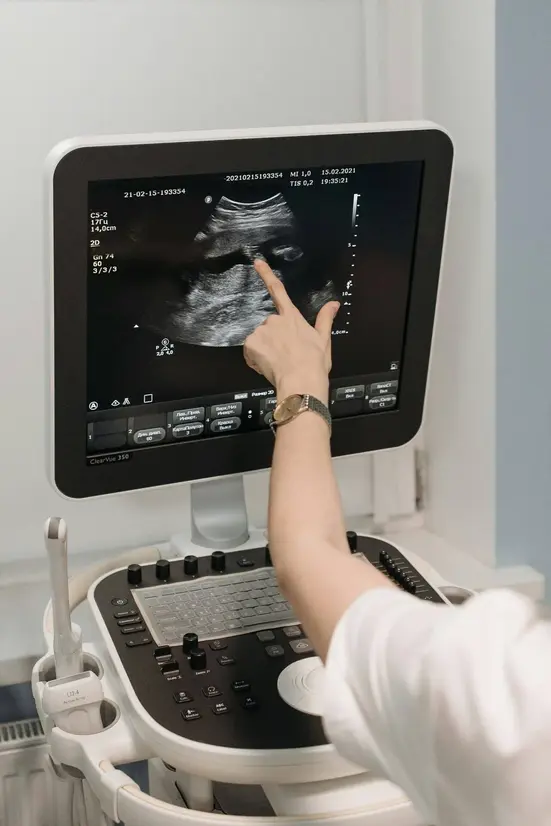
Embrace a future where you can make a profound impact on health and wellness. Pursuing a postgraduate degree in Health & Medical Technology opens up a multitude of opportunities to contribute to the areas of medical technology, computing, and innovations in healthcare. This field lies at the intersection of healthcare, technology, and management, and is full of potential. Whether your interest lies in creating next-gen medical devices, shaping healthcare policies, or working on ground-breaking research, postgraduate studies in Health & Medical Technology are a stepping stone to various exciting careers.
- Biomedical Engineer: Develop and enhance medical equipment and devices, work closely with medical scientists to research and develop new medical procedures.
- Health IT Specialist: Help maintain, manage, and optimize the use of medical information systems and software in healthcare organizations.
- Medical Technology Compliance Officer: Ensure that medical technology companies comply with all necessary regulations and standards, internally and externally.
- Healthcare Consultant: Advise healthcare organizations on how to upgrade their services, patient care, or financial performance using technology.
- Research Scientist: Engage in in-depth studies and investigations in the field of health & medical technology to develop new knowledge or breakthroughs.
According to the U.S. Bureau of Labor Statistics (BLS), the median annual wage for health information technologists and medical registrars was $67,310 in May 2024. The lowest 10 percent earned less than $38,310, and the highest 10 percent earned more than $107,650 (as of May 2023 data). Specific salary information for postgraduates is not available.
Source
As a postgraduate in Health & Medical Technology, you can expect to find job opportunities in several prominent areas. These typically include biotechnology firms, hospitals, and research institutions where your expertise in creating, testing, and implementing health-related technology might be highly valued. Potential job titles can range from Bioinformatics Specialist to Health Information Manager. In these positions, you could be developing new medical devices, to improving healthcare delivery systems, to conducting critical research on cutting-edge medical technologies. Remember, with advanced education and experience, you may also have the opportunity to move into more senior or management roles. The earning potential can vary greatly depending on the specific job, location, and years of experience.