


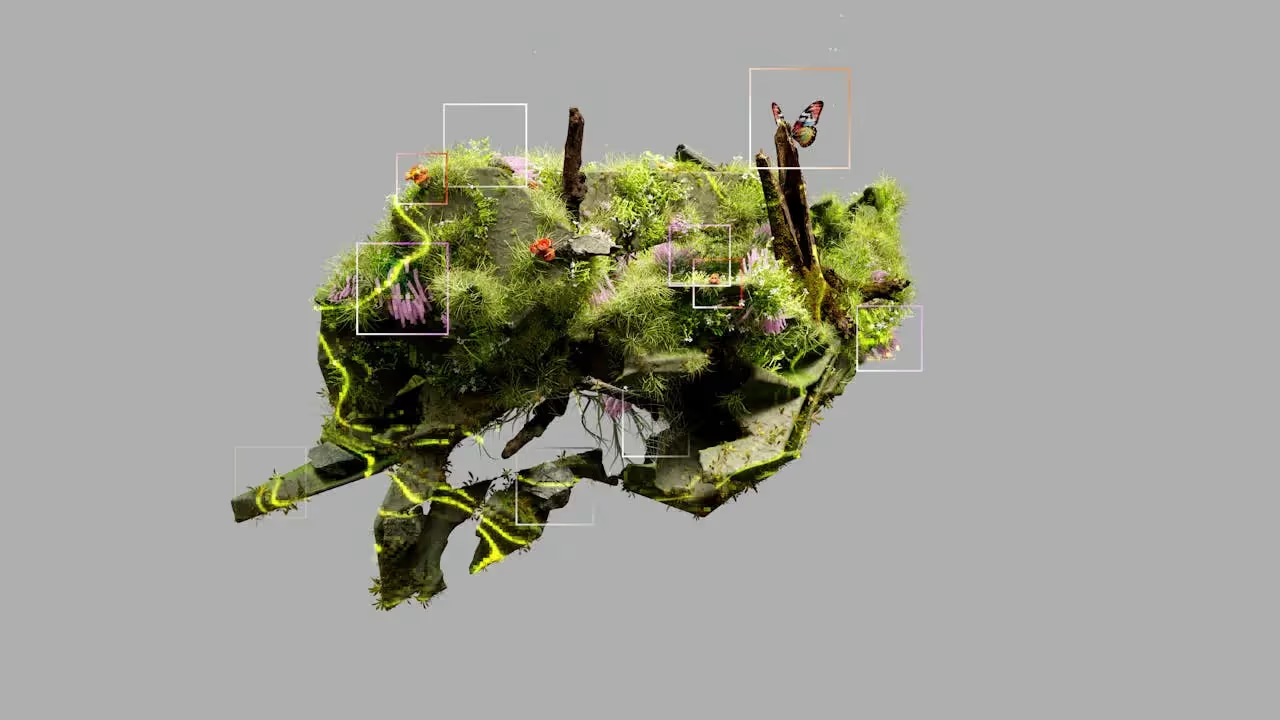
Diving into a career as an animator, you will bring stories and characters to life through your creativity and technical skills. In this role, you'll work with various animation software to create visual effects and animations for movies, television, video games, and other forms of media. Your work involves not just drawing and designing but also thinking critically about how to convey emotions and narratives through movement and visual storytelling. The animation industry is vibrant and evolving, offering numerous opportunities to work in entertainment, advertising, and digital media. If you have a passion for art and storytelling and enjoy combining your artistic talents with cutting-edge technology, a career in animation could be both exciting and rewarding, placing you at the heart of digital creativity.
Overview
Animators bring stories and characters to life through their creativity and technical skills in various media, including movies, television, video games, and online platforms. They use computer software and traditional hand-drawing techniques to create visual effects and animations that captivate audiences of all ages. Specializing in fields such as 2D animation, 3D modeling, or digital effects, animators collaborate closely with directors, designers, and other creative professionals to realize artistic visions and storytelling objectives. This career requires strong artistic abilities, proficiency in animation software, and a deep understanding of motion and timing to produce engaging and lifelike animations.
The animation industry offers dynamic career paths with opportunities for personal growth and innovation. Whether working in a studio setting or freelancing, animators can find their niche in entertainment, advertising, education, or technology. With the increasing demand for high-quality animated content and visual effects, career prospects in animation remain robust, offering exciting challenges and the chance to influence visual media cultures globally. Ideal for individuals who are passionate about art and technology, a career in animation allows one to blend imaginative storytelling with cutting-edge digital tools, shaping unique worlds and experiences that resonate with diverse audiences.
On a Daily Basis
Animators engage in a creative and technical process that brings characters and scenes to life. Each day is filled with artistic expression, collaboration, and detailed work to create captivating animations.
A typical day might include:
- Creating and refining animated sequences using various software tools to ensure fluid movement and visual appeal.
- Collaborating with directors, designers, and fellow animators to understand project requirements and align on artistic vision.
- Developing storyboards and character models, outlining key scenes and movements to guide the animation process.
- Incorporating feedback from team members and clients, making necessary adjustments to enhance the quality of the animation.
- Researching and staying updated on the latest animation techniques, trends, and tools to continuously improve skills and output.
- Managing time effectively to meet project deadlines, prioritizing tasks while balancing multiple projects.
- Participating in team meetings to discuss project progress, address challenges, and plan next steps in the animation pipeline.
How to Become One
Embarking on a career as an animator can be an exciting journey, blending creativity with technology to bring vivid stories and characters to life. Here are the key steps to becoming a successful animator:
- Earn a bachelor's degree in animation, computer graphics, art, or a related field to gain foundational skills and knowledge.
- Master various animation software such as Adobe After Effects, Maya, or Cinema 4D, which are standard tools in the industry.
- Develop a strong portfolio that showcases a wide range of skills, from 2D animation to 3D model-making. Include your best work to impress potential employers.
- Gain practical experience through internships or freelance projects to understand real-world workflows and meet professionals in the field.
- Continuously practice your craft and stay updated with new technologies and techniques to keep your skills relevant and cutting-edge.
- Consider pursuing further specialization through advanced courses or certifications in specific areas like visual effects or character animation.
- Apply for jobs in various sectors such as film, television, video games, or advertising to find the right niche for your talents.
- Network actively within the animation community to discover opportunities, collaborations, and insights from experienced professionals.
Career Outlook
The career outlook for animators is promising, with a continued demand for animated content across various media channels. As the entertainment, advertising, and gaming industries expand, animators are increasingly needed to create engaging visuals. According to the U.S. Bureau of Labor Statistics (BLS), the median annual wage for animators and multimedia artists was $78,890 in 2022. Employment in this field is projected to grow 16% from 2021 to 2031, resulting in approximately 20,600 new job openings each year.
Job Title
Average Base Salary (2024)
Typical Entry-Level Degree
$51,000
Associate Degree
$78,890
Bachelor’s Degree
$96,000
Bachelor’s Degree
$120,000
Bachelor’s/Master’s Degree
Special Skills & Requirements
To embark on a career as an animator, it's essential to have a blend of creativity and technical skills. Artistic talents, particularly in drawing and sculpting, provide a strong foundation to understand movement and dimensions, crucial for creating engaging animations. In addition to artistic prowess, familiarity with computer graphics and animation software, such as Adobe After Effects, Blender, or Autodesk Maya, is increasingly essential in this digital age. Good storytelling abilities and a keen eye for detail will also serve you well, as the essence of animation lies in bringing stories and characters to life in a compelling way.
It's advisable for aspiring animators to pursue structured education, such as a degree in animation, digital media, or a related field, where you'll learn both the theoretical aspects and practical skills of the profession. However, self-taught paths are also viable, supported by the plethora of online resources, tutorials, and courses available today. Continuous learning and staying updated with the latest technology and trends are part of this dynamic field, so a passion for lifelong learning will be a valuable asset. Working on personal and collaborative projects can further refine your skills and build a portfolio which is crucial for career advancement in animation.